






















































The Apprentices
On-the-job training reached its peak in the 1960s but then went into sharp decline. Now, with apprenticeships back in vogue, we talk to four trainees – from jockey to chef – learning their trade the traditional way
Words by Laura Lovett Photography by Alun Callender
Goodwood Magazine
goodwood newsletter
goodwood news
Horse Racing
Motorsport
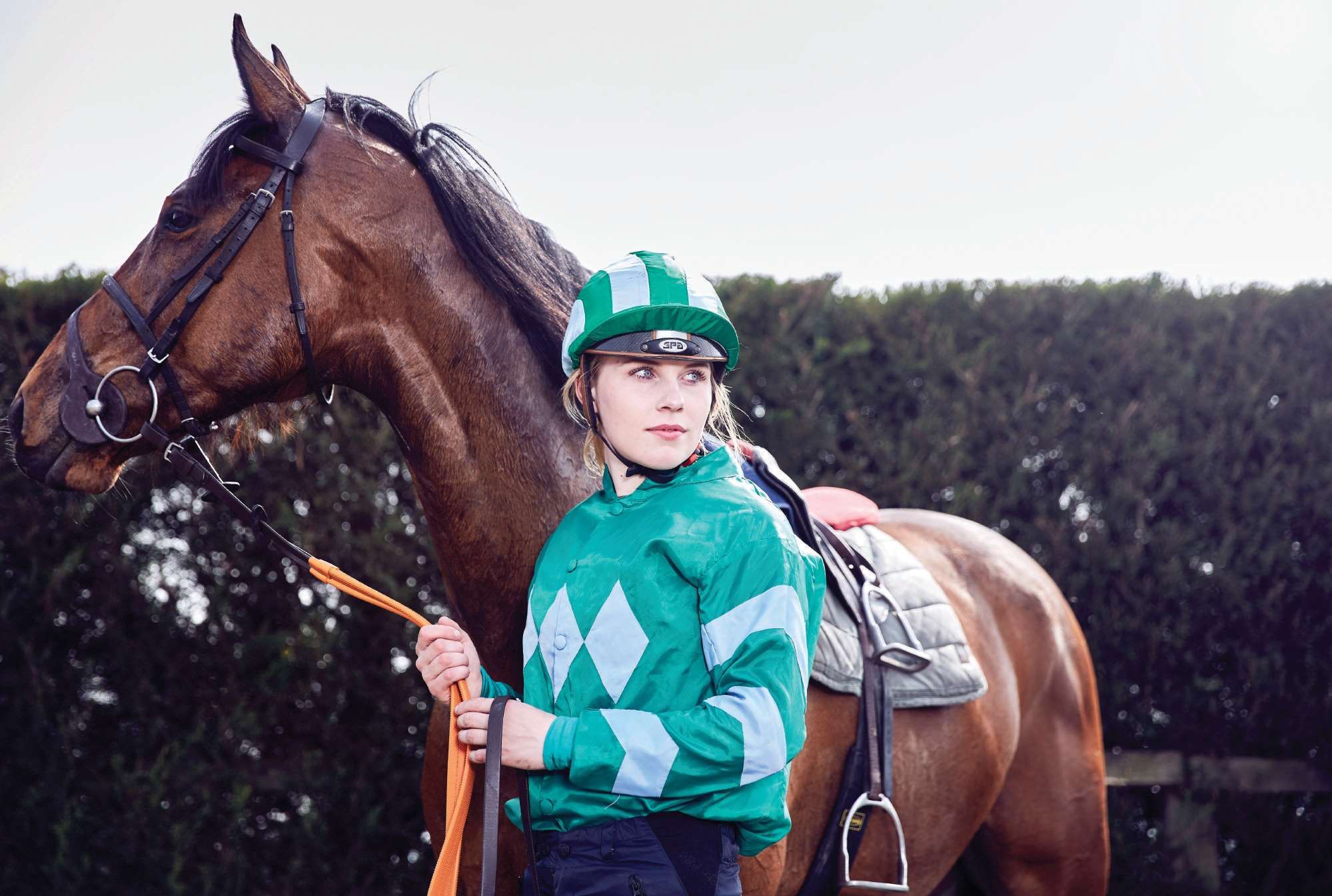
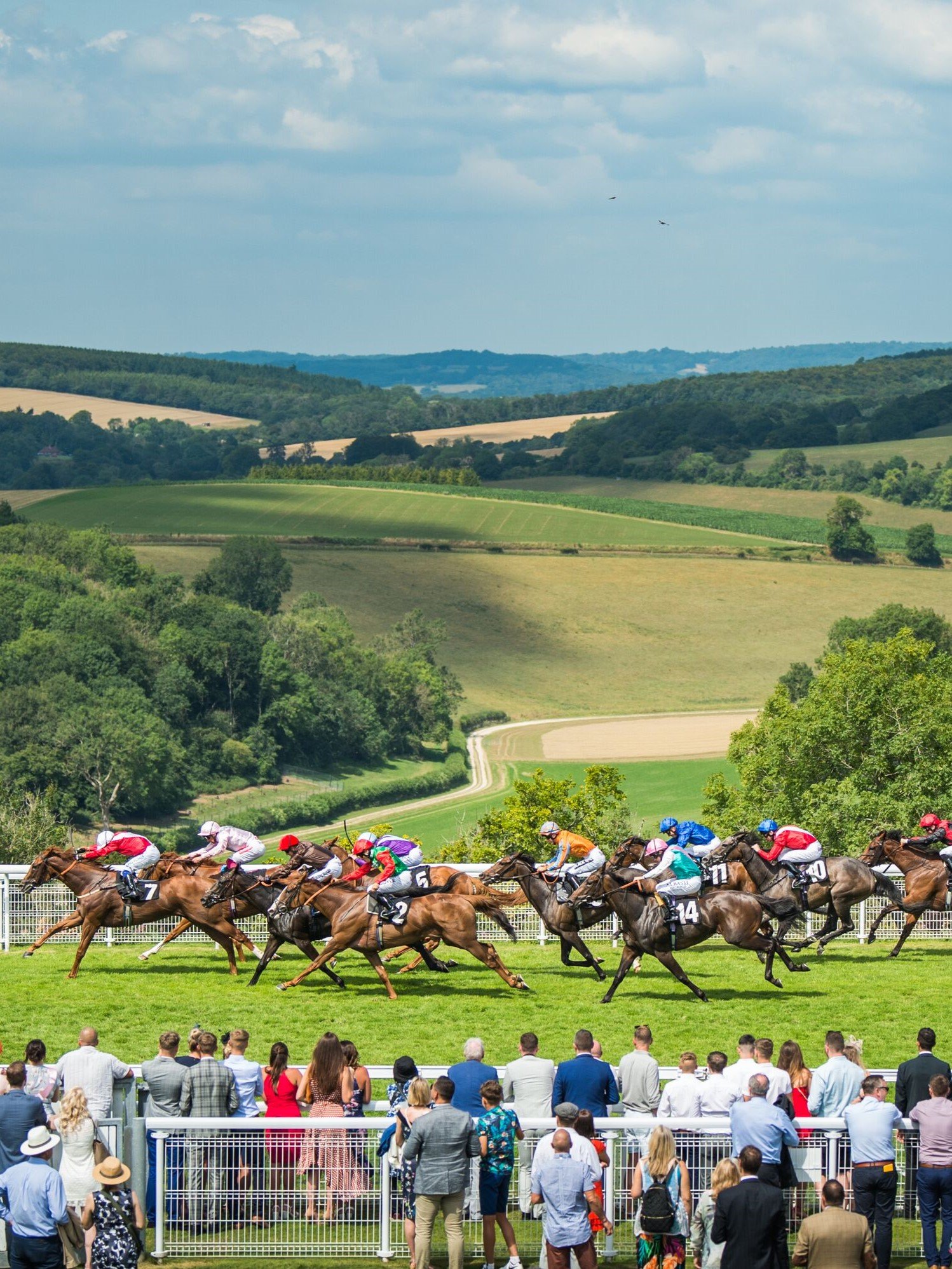
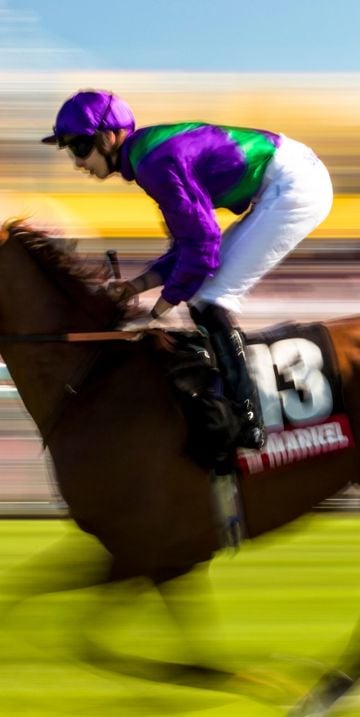
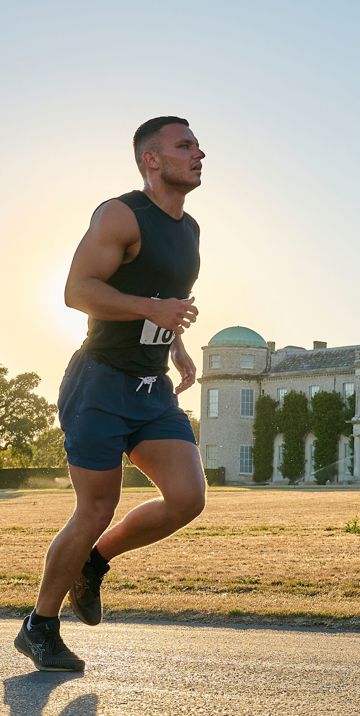
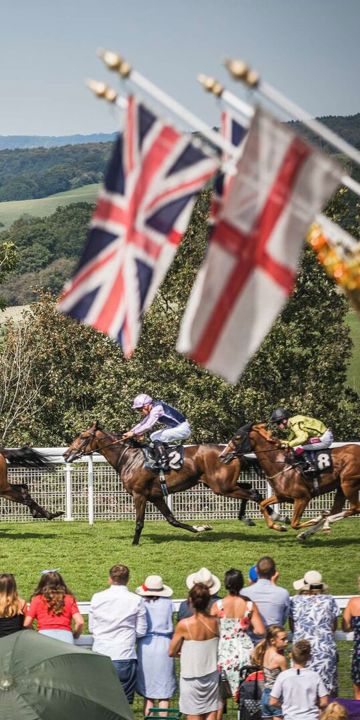
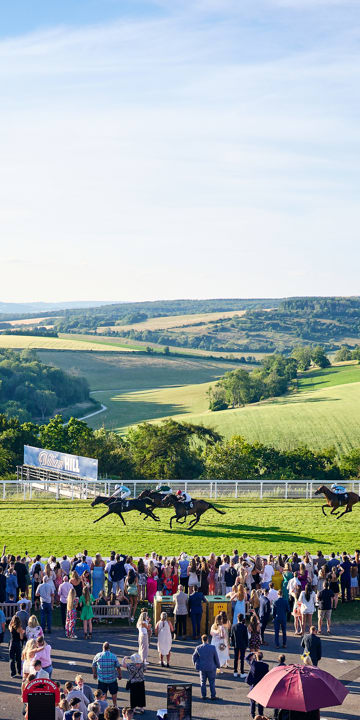
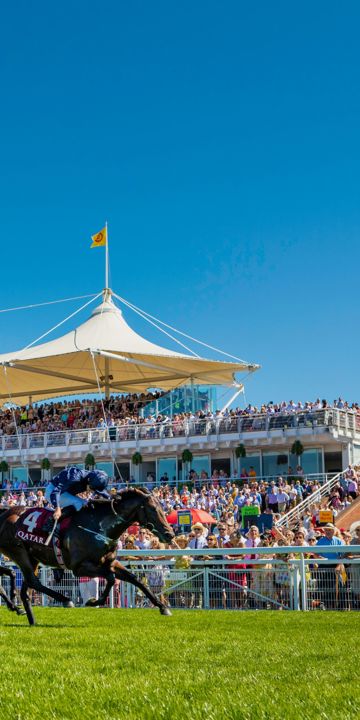
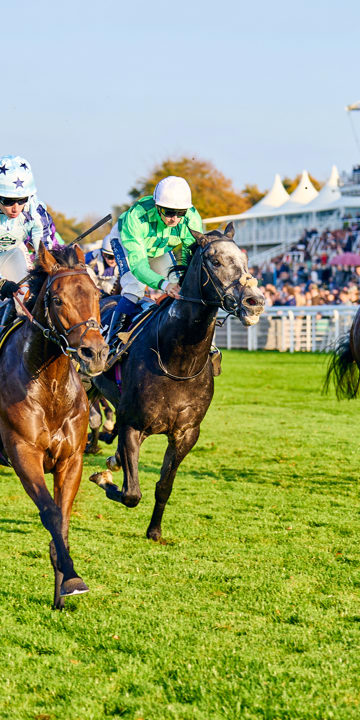
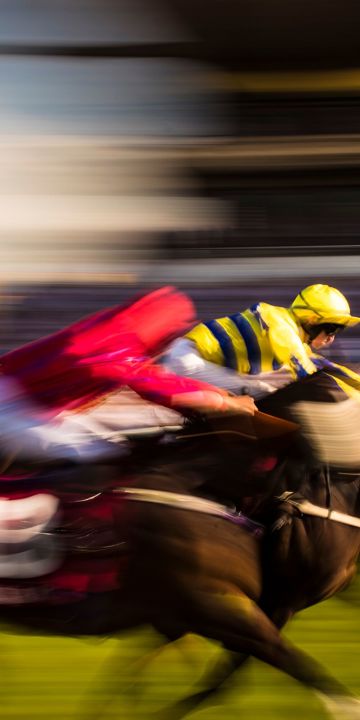
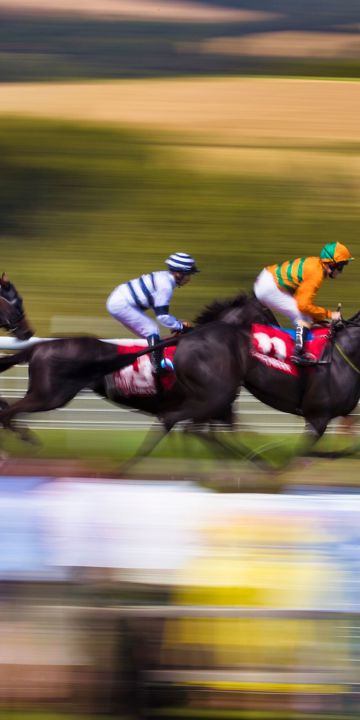
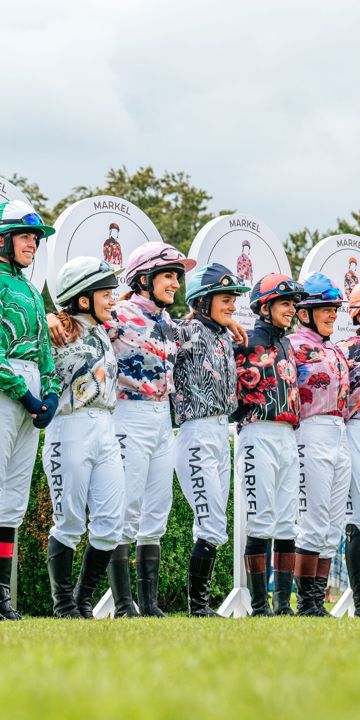
Poppy Bridgwater, who won an impressive 33 races in her first year.
“THIS IS A LIFELONG JOB FOR ME,” says Danial Rivers, an aspiring gunmaker at Holland & Holland, one of the four apprentices or trainees we interviewed for this feature, all young people learning their trades: a gunmaker, a jockey, a chef and a mechanic. “I know I won’t learn it all any time soon, but I can take things steadily and not feel a pressure to rush,” adds Rivers. Apprenticeships have always been about putting in the hours to gain skills that lay the foundations for a lifetime of gainful work – an exchange of youth for experience, labour for knowledge.
In a system that emerged from the craft guilds of the middle ages, a master craftsman would take on a limited number of apprentices as relatively cheap labour in exchange for providing food, lodging and training in their chosen craft. The Elizabethans enshrined this convention in law, and although the rules evolved, and the food and lodging part of the arrangement didn’t survive into the modern era, apprenticeships very much did – actually reaching a peak in the 1960s. But it was also during that decade that public opinion seemed to turn against a practice that perhaps smacked of paternalism in what was becoming a more egalitarian era. Suddenly professional qualifications and higher education were preferred to the old apprenticeship model.
Today, however, there’s a growing recognition that passing on skills and mentoring young people is good both for society and for industry – especially in the luxury trades within which the need for craftsmanship has never gone away. And in recent years the government has championed apprenticeships – with schemes that help employers fund all kinds of on-the-job training.
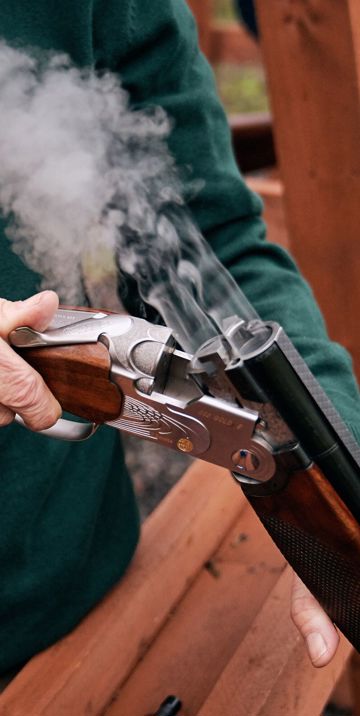
Danial Rivers, for example, is the beneficiary of Holland & Holland’s recent revival of its apprenticeship scheme, where the decision to bring the trainees back after a 34-year hiatus was made by manufacturing director Mick White, who joined the heritage gunmaking brand last year from Elon Musk’s futuristic SpaceX. For White, this was about “future-proofing the business”, and heading off a “talent shortage” that was looming a decade or so down the line, when many of its leading craftsmen would be contemplating retirement. In charge of the scheme? The company’s longest-serving gunmaker, Paul Yelverton – who set out to learn his own lifelong skills on the very same course in 1973. Young dogs, old tricks…
It’s crazy how much work goes into those few moments, but when you win nothing compares to it
Poppy Bridgwater
JOCKEY | TONY CARROLL MILL HOUSE RACING
“It all comes down to the winners,” says trainee jockey Poppy Bridgwater, who left school at 15 to pursue her dream of becoming a professional jockey. “There is no better feeling than seeing a happy trainer, happy owner and happy horse. It’s crazy how much work goes into those few moments after you’ve won, but you can’t compare the feeling to anything else.”
Bridgwater, 20, who has already raced at Goodwood many times, grew up around horses. Her mother Lucy is a show jumper who writes a blog for Horse & Hound; her father David, a former jockey, is now a trainer in the Cotswolds. Poppy began by taking up show jumping, but soon realised that what she really wanted to be was a jockey – much to her father’s initial reluctance.
“Because he was a jockey himself, he knew how tough it was – with the early mornings and late nights,” she admits. “He thought a nine-to-five job with weekends off would be a lot easier for me, but when he eventually realised I wasn’t willing to do anything else, he came round – and he’s been my biggest supporter.”
Bridgwater’s exceptionally successful first year, competing with her apprentice jockey licence, clearly helped. Her initial goal when she was signed up by trainer Tony Carroll was three or four wins. Instead, she bagged 33.
There’s clearly a competitive spirit to Bridgwater’s calling that makes it unlike other apprenticeships, and despite working long hours, it’s that drive to succeed that keeps her going. But luck also plays a massive role. “You can work as hard as you like,” she explains, “but if you’re not on the right horse, you’re not going to win. If the best jockey always won, it would be simple, but that’s not the case. It’s all about getting on the winning horse.”
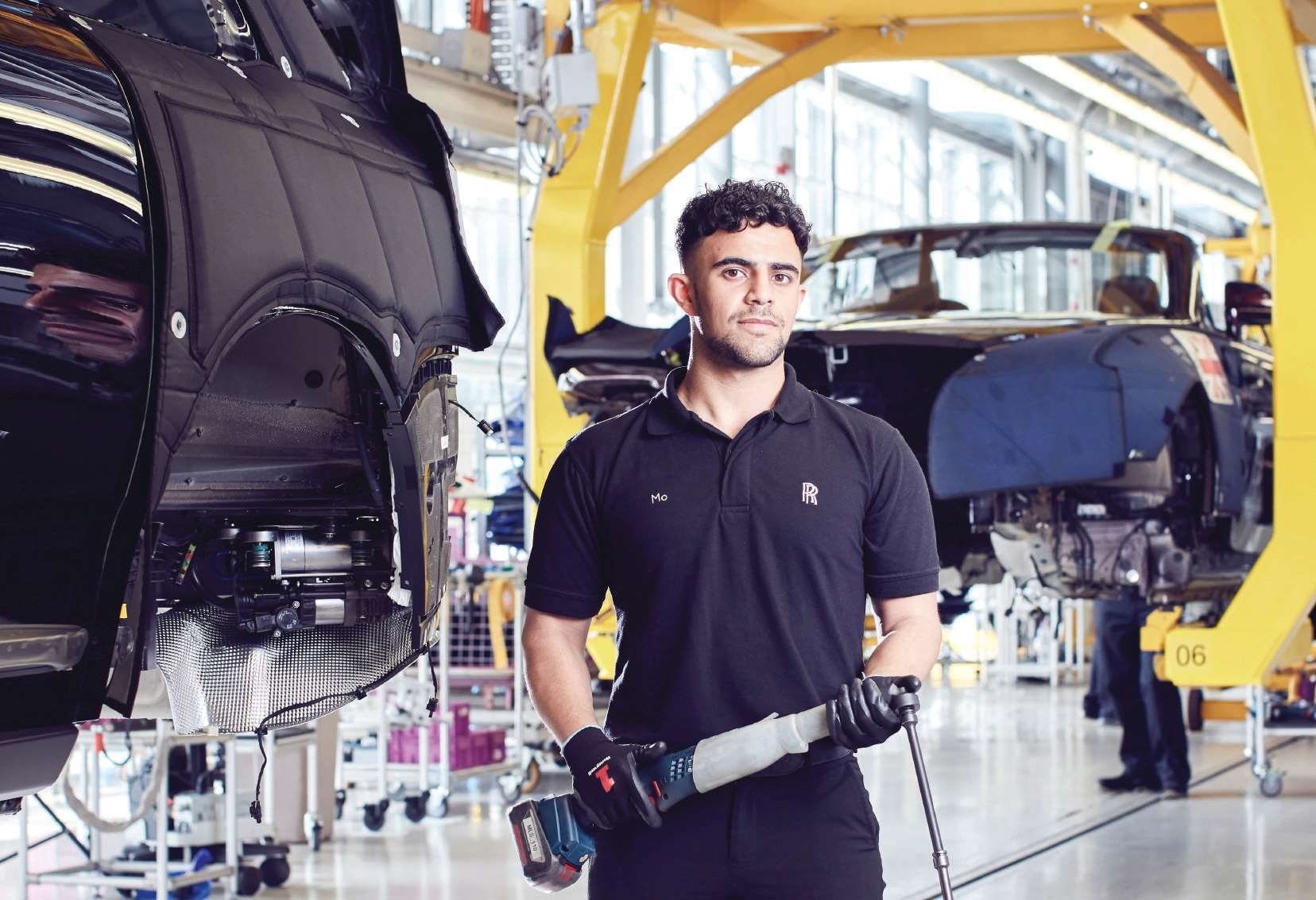
Rolls-Royce trainee Mohammed Rokan is driven by a passion for engineering
Mohammed Rokan
MECHANICAL ENGINEER | ROLLS-ROYCE
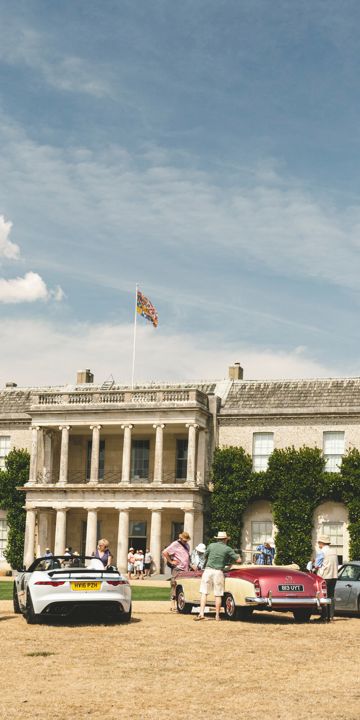
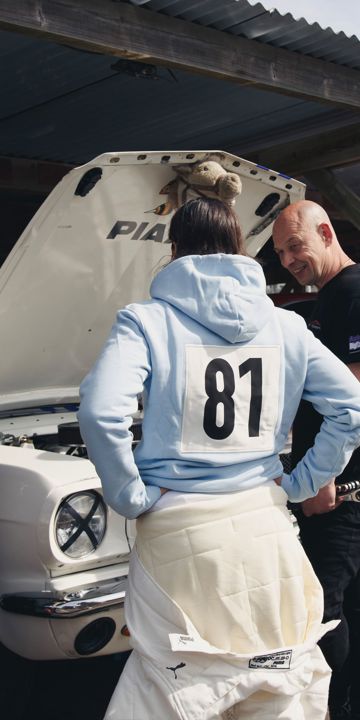
“I’ve changed my life to be here,” says Mohammed Rokan, “but I always knew I would do something positive – and work for a prestige brand.” Rokan, 21, was at college studying engineering when he applied to join Rolls-Royce’s over-subscribed apprentice scheme – launched in 2006 – which, like most programmes of this type, combines college-based learning with in-business training. On the Rolls-Royce scheme, Rokan spends four days a week at college and one day in the marque’s impressive manufacturing plant at Goodwood. And while many of his peers could be described as car nuts, for Rokan, it’s a passion for the science of engineering that drives him. In this case, however, the science is deployed in some of the world’s finest motor vehicles.
Rokan’s course does include “hands-on experience of more average, normal cars, and learning about cars from the ground up – things like welding, which we don’t do here”, but it’s apparent that he is quietly, discreetly smitten by the aura of excellence at this fabled brand – one that, more than a century after its foundation, people the world over still use as a byword
for prestige and excellence.
“I knew from day one what a privilege being here would be, but I continue to be humbled by it,” he says. And alongside the
state-of-the-art technology at this futuristic plant, tucked away in the Sussex countryside, there is an equally impressive, oldfashioned camaraderie among the people who work there, which feels remarkable. “What we do relies on teamwork,” says Rokan. “Without all the lines working together you wouldn’t have an assembly line. So communication is key.”
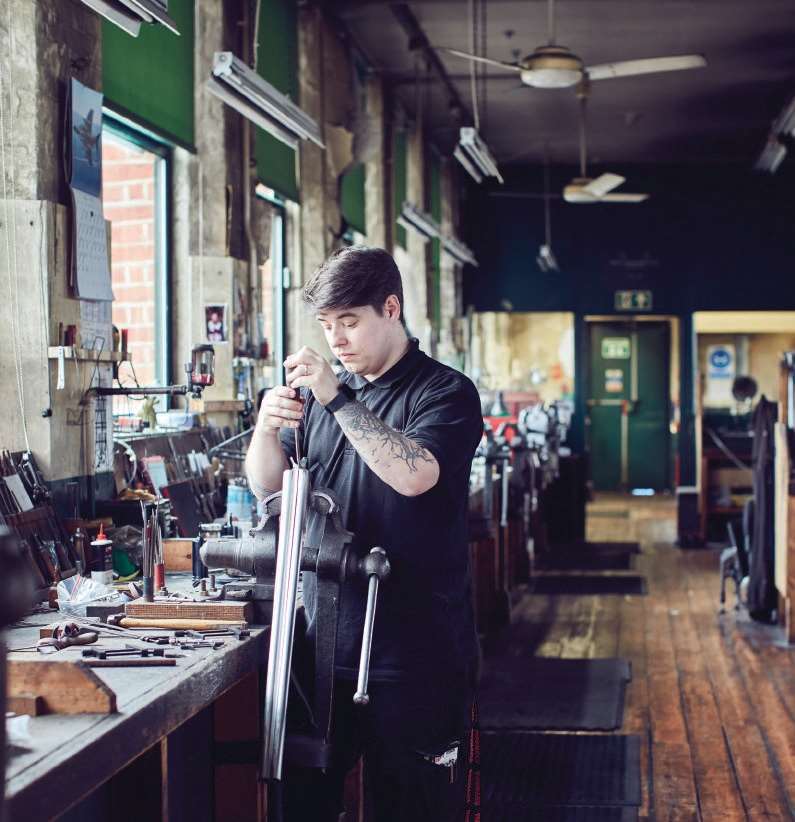
Apprentice gunmaker Danial Rivers
I was always a perfectionist, so it fits me, this impeccable, timeless craftsmanship
At 28, Rivers is the oldest apprentice in the 2018 intake at heritage gunmakers Holland & Holland. But after completing a BA in
Design at Goldsmiths and going into teaching, he had become frustrated with the lack of hands-on craft work in his daily life.
He knew little about Britain’s celebrated gunmaking industry, but a gunmaker friend thought Rivers might have what it takes to succeed in this world – where a gun is made entirely by hand in a process requiring hundreds of hours of highly skilled craftsmanship – and alerted him to Holland & Holland’s newly revived scheme. Now Rivers is learning the traditional techniques passed down by generations of gunmakers at the firm, based in the same North London workshops since the 1890s.
Right now, however, like all the other apprentices, Rivers is spending most of his time crafting tools rather than guns – the
tools that will become his own workbench partners for many years to come. The detail is obsessional. “I spent weeks filing an inch-square block, measuring it over nine points to make it perfectly level and square,” he says. “I was always a perfectionist,
so it fits me, this impeccable, timeless craftsmanship; but it does take patience. We get to spend time with the really experienced guys up here, and our learning is often incremental. But watching something as simple as the way they file can be a light-bulb moment. It’s a simple back-and-forth motion but their understanding of the tool, knowing what to look for, knowing its
application – that takes years and years of work.”
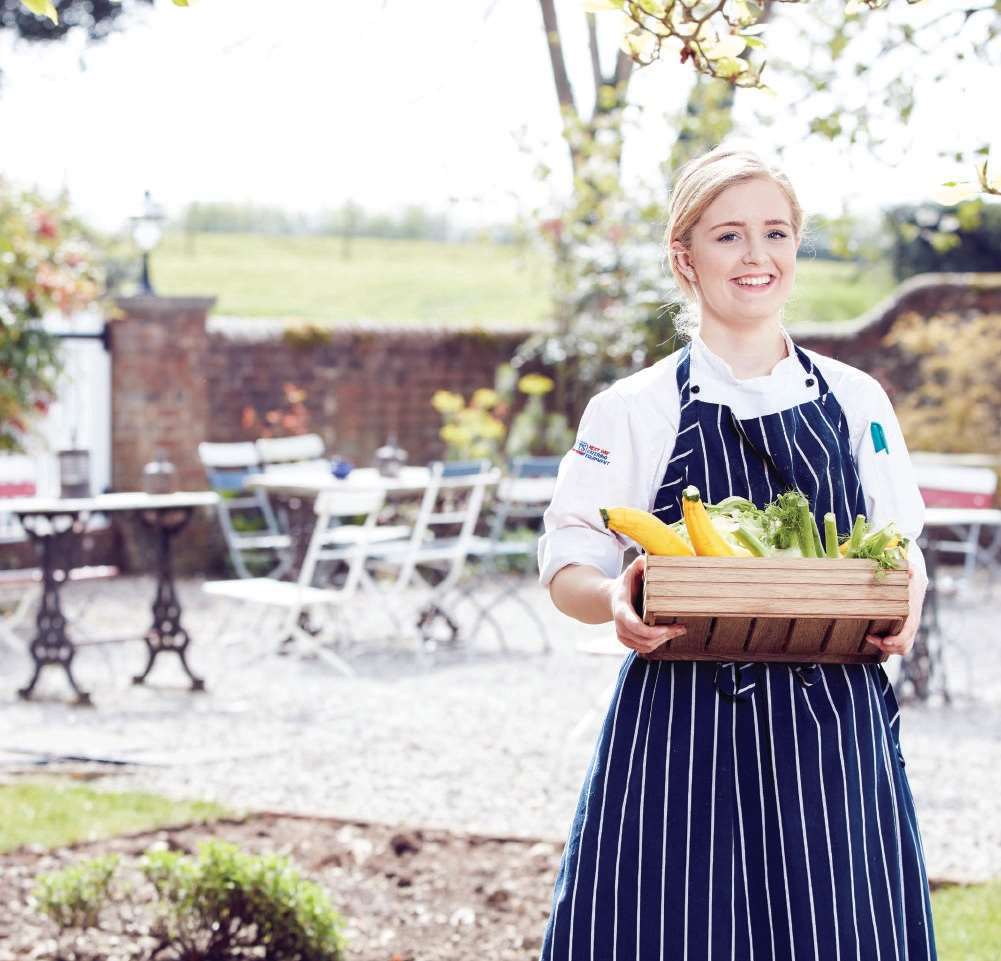
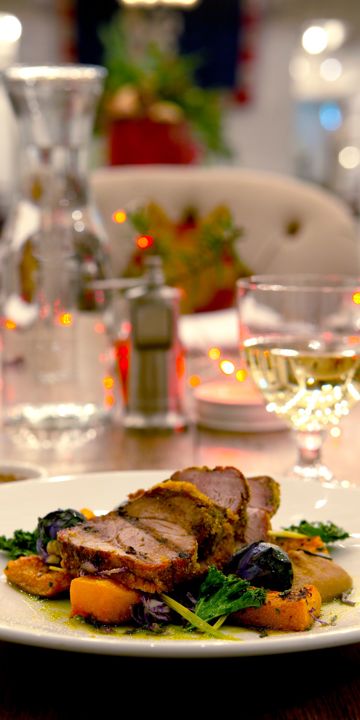
Trainee chef Abigail Gaynor on the terrace of Goodwood’s Farmer, Butcher, Chef
I understand the links back to the farm – you don’t get that kind of hands-on experience on any other courses”
Abigail Gaynor
CHEF | FARMER, BUTCHER, CHEF
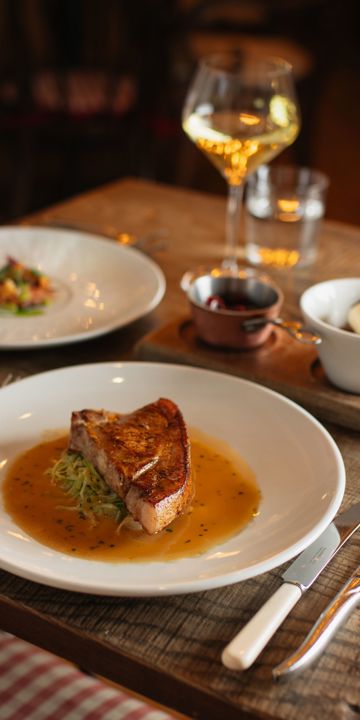
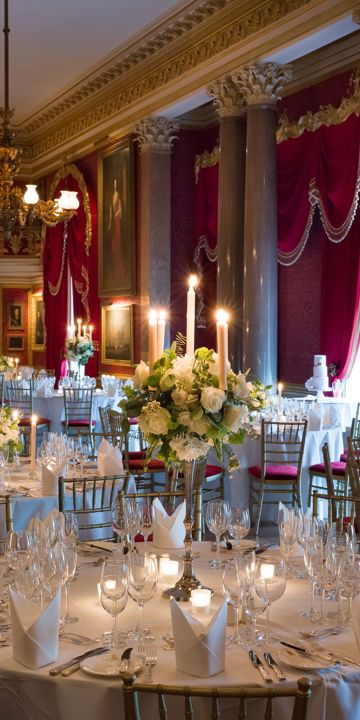
Much of Abigail Gaynor’s apprenticeship as a chef hasn’t been spent in the kitchen at all. She spent two months working with
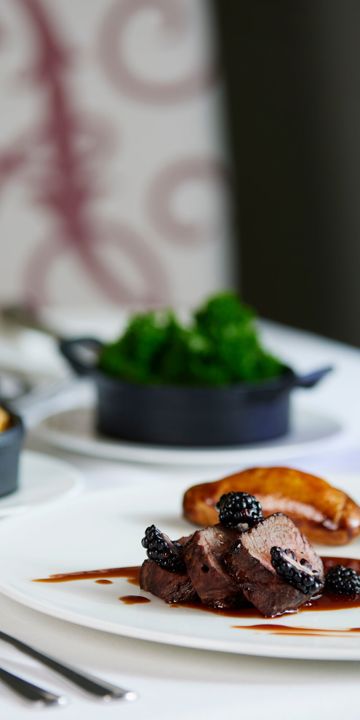
Goodwood’s farming, dairy, cheese-making and butchery operations before she even set foot in the kitchen to cook for customers at the estate’s Farmer, Butcher, Chef restaurant, which celebrates Goodwood’s organic produce.
This experience has given Gaynor, 19, a keen understanding of what makes the estate’s produce so exceptional – and the
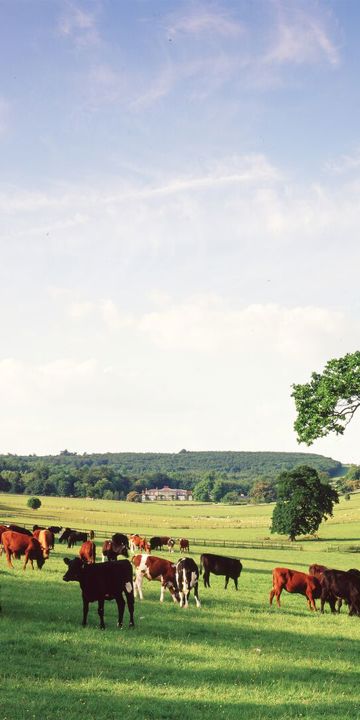
singular benefits of this field-to-fork operation – in which animals graze in the nearby fields before coming to the inhouse butchery, while some of the milk from Goodwood’s dairy is transformed to an array of award-winning cheeses before arriving in the kitchen where the dishes are created.
“I understand the links back to the farm,” she explains, “and you don’t get that kind of hands-on experience on any other courses.” Gaynor’s appreciation for good produce has given her a passion for creating dishes that highlight the quality of their provenance – and sometimes makes her a stern critic of restaurant fare elsewhere. “I’m 100 per cent more fussy now after my training – it’s really bad for whoever’s out with me!”
With a farmer grandfather and a culinary school-trained grandmother in Ireland (who made a superb, home-reared beef stew) for Gaynor, the appeal of cooking was perhaps rooted deep in her DNA. But she only considered professional life as a chef when she was 16 and working front-of-house at Arundel Castle. “I first came into the kitchen to help out, but I instantly
thought, ‘I really love it in here.’”
Nearly two years on, as she prepares to graduate from her apprenticeship, Gaynor’s peers and Goodwood tutors, who have become like a family to her, now consider her an “industryready” chef. “I know how lucky I am,” she says. “Even the other
chefs in the kitchen would love the opportunities I’ve been given, so I try to take on as much as I can.”
This article was taken from the Summer 2019 edition of the Goodwood Magazine.
Goodwood Magazine
goodwood newsletter
goodwood news
Horse Racing
Motorsport