-
Events
-
Festival of Speed
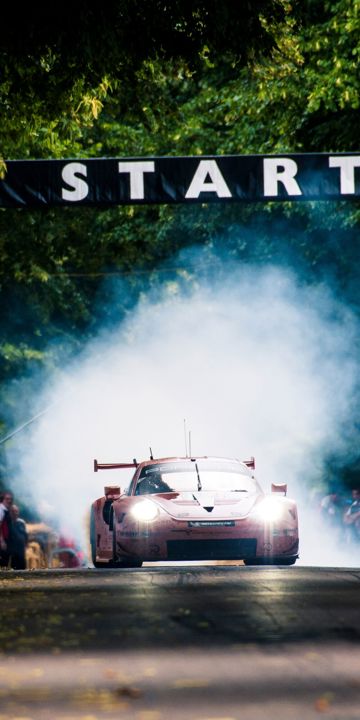

Why don't the F1 cars race the hill?
For safety reasons F1 cars can no longer do official timed runs so instead perform stunning demonstrations!
-
Goodwood Revival

Earls Court replica
Our replica of the famous motor show showcases the "cars of the future" in true Revival style
-
Members' Meeting
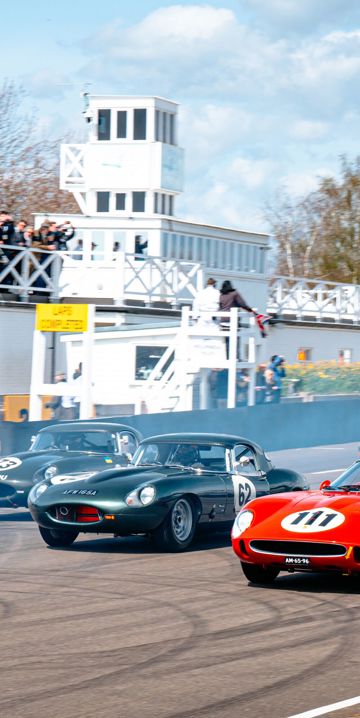

More than motorsport...
Ferret racing and duck herding are two of the many off-track activities at Members' Meeting -
Qatar Goodwood Festival
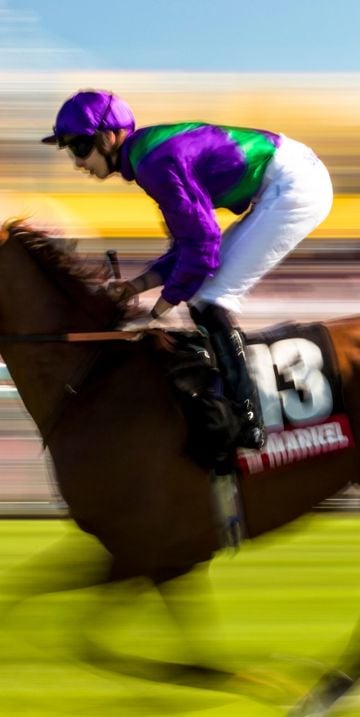

"Glorious Goodwood"
The first public race meeting took place in 1802 and, through the nineteenth century, ‘Glorious Goodwood,’ as the press named it, became a highlight of the summer season
-
Goodwoof
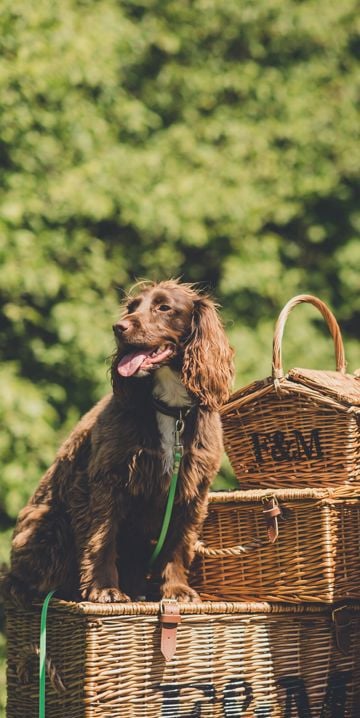

Start in style
The breed parade sees hundreds of dogs and their owners walk from Goodwood House down to The Kennels to kick start the Goodwoof weekend. -
Horseracing
-
Season Opener
-
May Festival
-
Family Race Day
-
Three Friday Nights
-
August Bank Holiday
-
Autumn Racing
-
Season Finale
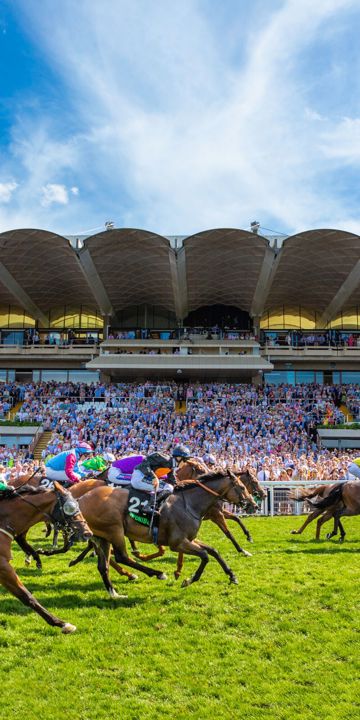

Why does everyone wear hats?
One Summer, King Edward VII turned his back on the traditional morning suit, and donned a linen suit and Panama hat. Thus the Glorious Goodwood trend was born.
-
Season Opener
-
Breakfast Club
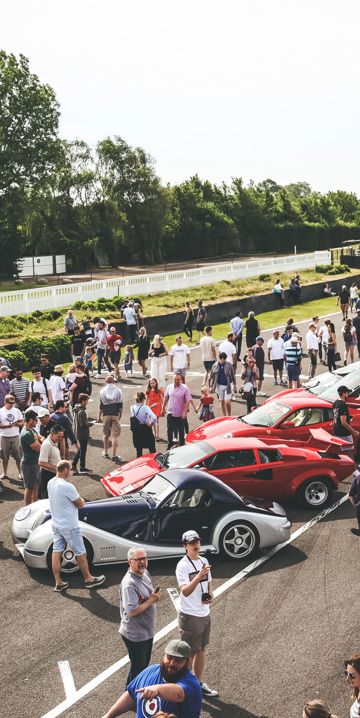

A perfect Sunday morning?
A no-cost, all-welcome motoring show where the visitors and their machines are the stars -
Health Summit
-
Hospitality
-
Exhibiting
-
Partnerships
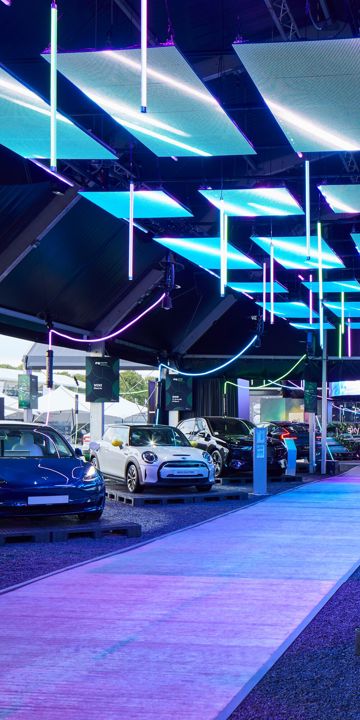

Where else can you...
...plan strategy in an ancient woodland, enjoy award-winning dining then drive around a racetrack?
-
What's on
-
Festival of Speed
-
Visit, Eat, Stay
-
The Goodwood Hotel
-
Rooms
-
Contact Us
-
Christmas
-
New Year's Eve
-
Weddings
-
Kids Activities
-
Offers
-
Local Attractions
-
Plan your stay

A different breed...
Goodwood’s pigs are a mix of two rare breeds (Gloucester Old Spots and Saddlebacks) plus the Large White Boar.
-
Rooms
-
Goodwood Cottages


Estate Crest
"En la rose je fleurie" or "Like the rose, I flourish" is part of the Richmond coat of Arms and motto
-
Goodwood House
-
Afternoon Tea & Tour
-
The Collection
-
Christmas Afternoon Tea & Tour
-
Exhibitions
-
History
-
Weddings
-
Copper Dome Restoration
-
Christmas Carols
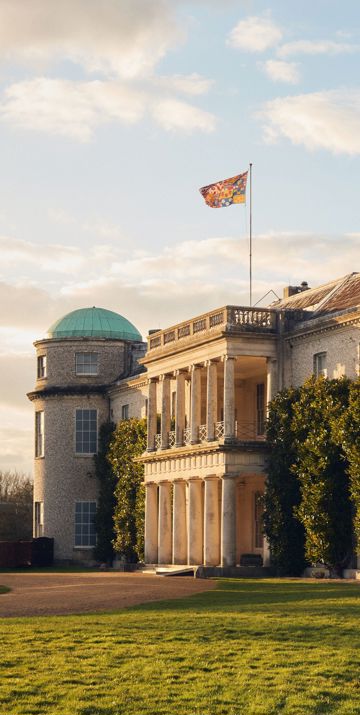
Estate Crest
"En la rose je fleurie" or "Like the rose, I flourish" is part of the Richmond coat of Arms and motto
-
Afternoon Tea & Tour
-
Restaurants
-
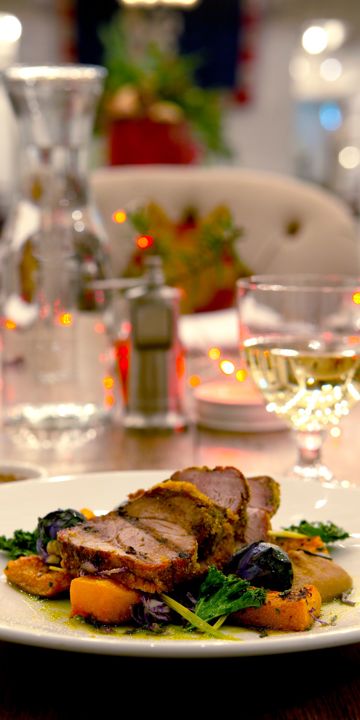
Farmer, Butcher, Chef
-
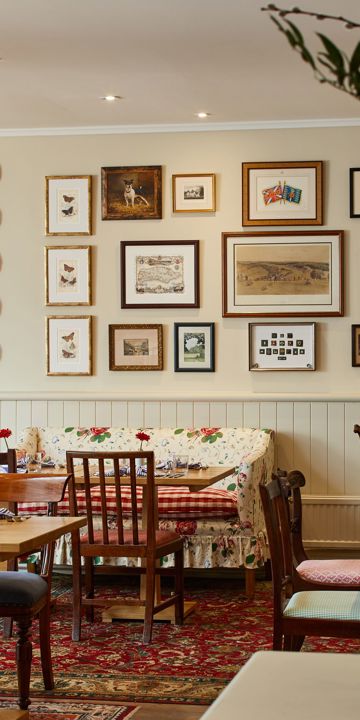
The Goodwood Bar & Grill
-
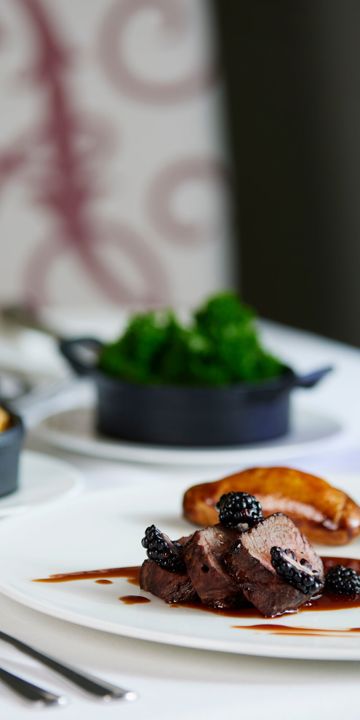
The Kennels
-
Aerodrome Café
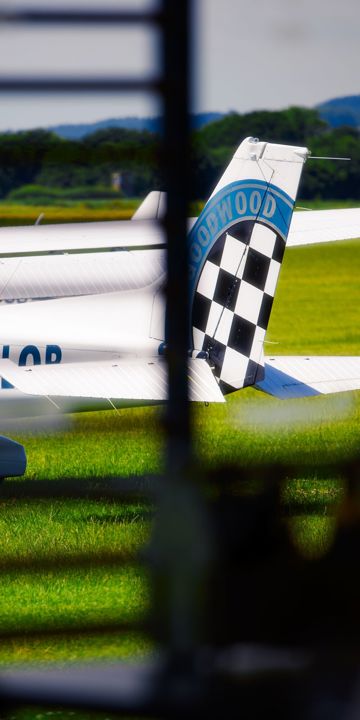
-
Motor Circuit Café

-
Cafe 24
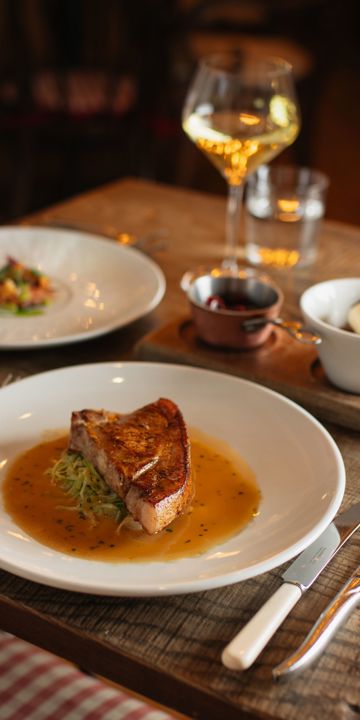

Sustainable state-of-mind
When Farmer, Butcher, Chef opened in 2016 it was awarded the UK’s first-ever Royal Academy of Culinary Arts ‘Sustainable Food Philosophy Seal’. -
Farmer, Butcher, Chef
-
The Kennels
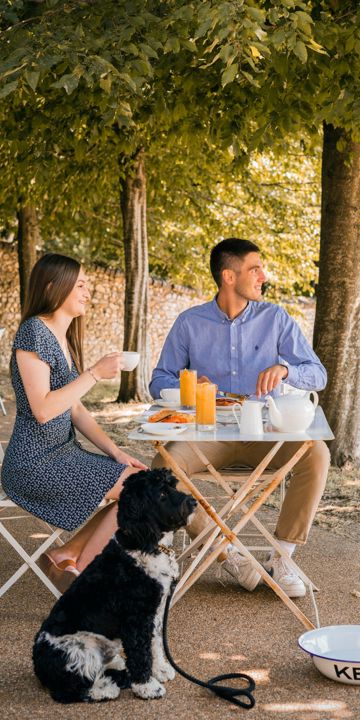

Fashionable foxhounds
The 1st Duke of Richmond bought Goodwood in 1697 as a place to stay to go foxhunting with the fashionable Charlton Hunt. -
Motor Circuit
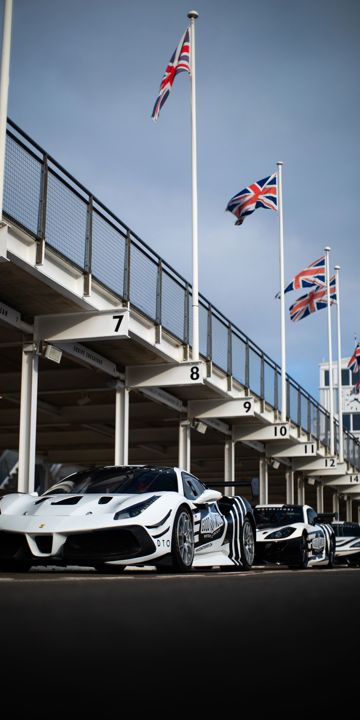

Motorsport Since 1948
Goodwood Motor Circuit was officially opened in September 1948 when Freddie March, the 9th Duke and renowned amateur racer, tore around the track in a Bristol 400
-
Health & Wellbeing
-
Membership
-
Health Club
-
Gym
-
Run Club
-
Run Series
-
Spa Treatments
-
Wellness Retreats
-
Events Calendar
-
Corporate Wellbeing
-
Health Summit
-
Latest News

Goodwood's first Health Summit...
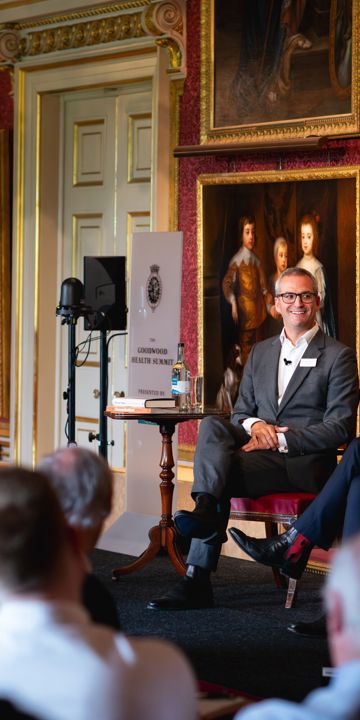
...took place in 2023 with industry experts discussing nutrition costs and food systems for a healthier future. -
Membership
-
Hound Lodge

One for every occasion
A huge variety of glassware is available for each wine, all labelled by grape type to give the best flavour profile.
-
Goodwood Farm Shop


21,000 litres...
Alongside the award-winning meat, we also produce 21,000 litres of milk a week, used to make our cheeses. -
Parties
-
Goodwood Art Foundation
-
The Goodwood Hotel
-
Motorsport
-
Festival of Speed
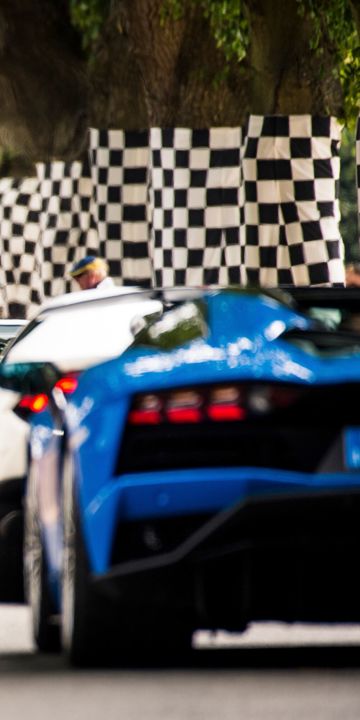

The Hillclimb Record
Nick Heidfelds 1999 (41.6s) hillclimb record was beaten after Max Chilton in his McMurtry Spéirling fan car tore it to shreds at 39.08s in 2022!
-
Goodwood Revival
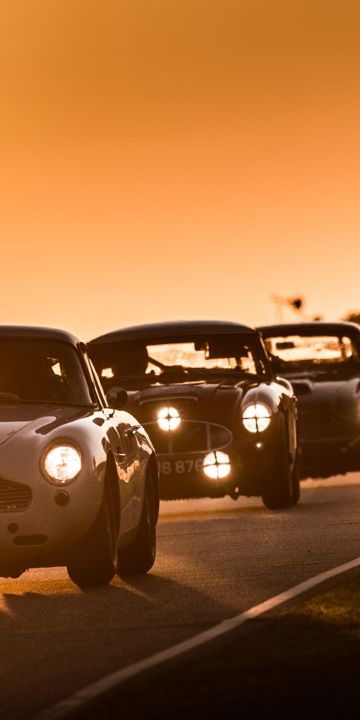

Spectators Favourite
Spectate from the chicane at the Revival to see plenty of classic cars going sideways as they exit this infamous point of our Motor Circuit.
-
Members' Meeting
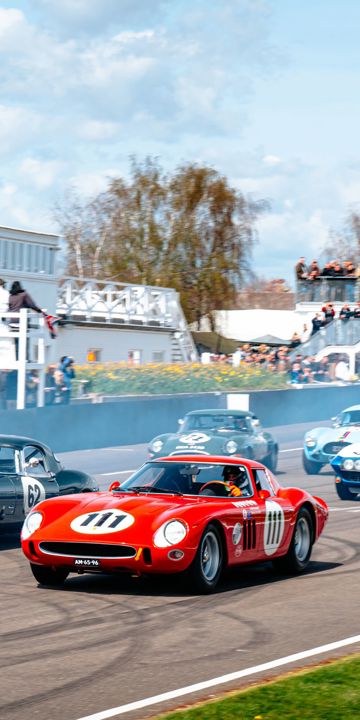

Taming the "Beast"
The Fiat S76 or "Beast of Turin" is a Goodwood favourite and can usually be heard before it is seen at #FOS
-
Breakfast Club
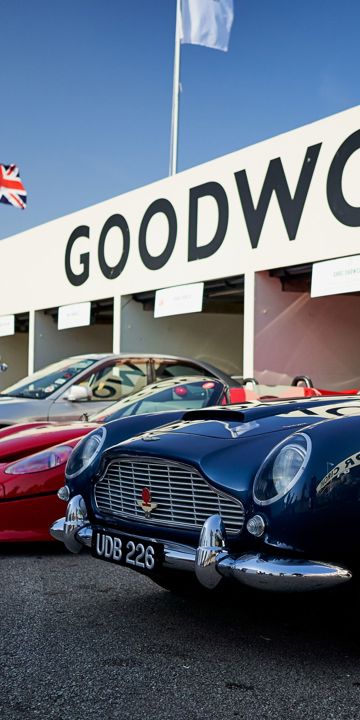
Spectators Favourite
Spectate from the chicane at the Revival to see plenty of classic cars going sideways as they exit this infamous point of our Motor Circuit.
-
Motor Circuit
A perfect Sunday morning?
A no-cost, all-welcome motoring show where the visitors and their machines are the stars -
Driving Experiences
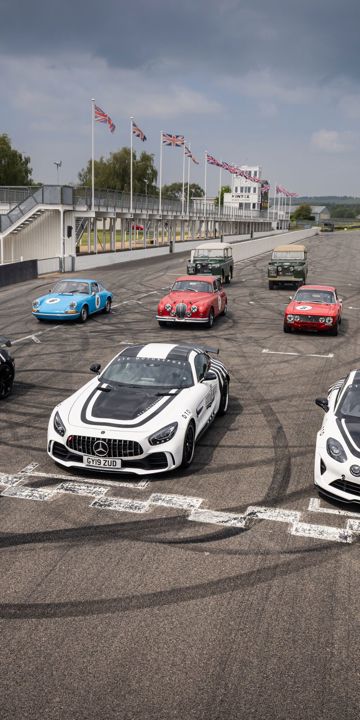

Have you visited our Forest Rally Stage?
From 2005 to present there has been a demonstration area for the rally cars at the top of the hill
-
Goodwood Road Racing Club
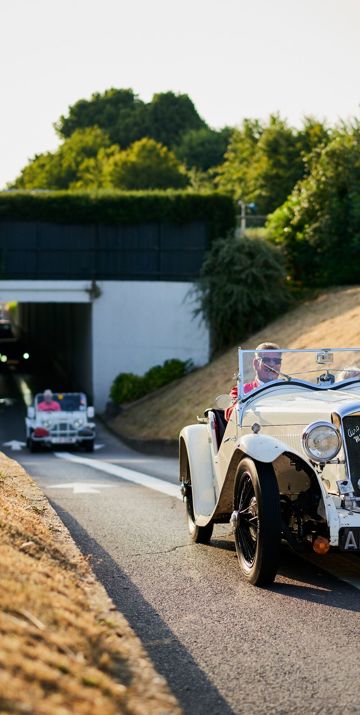
Earls Court replica
Our replica of the famous motor show showcases the "cars of the future" in true Revival style
-
Latest News
-
Festival of Speed
-
Horseracing
-
Tickets & Packages
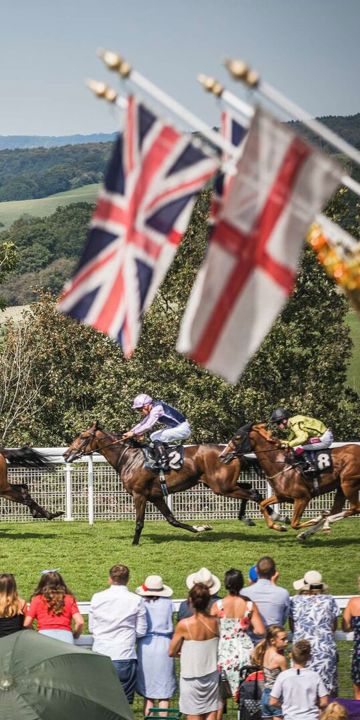

Racing Colours
The red & yellow of the Racecourse can be traced back hundreds of years, even captured in our stunning Stubbs paintings in the Goodwood Collection
-
Buy Merchandise
-
Fixtures & Events
-
Season Opener
-
May Festival
-
Family Race Day
-
Three Friday Nights
-
Qatar Goodwood Festival
-
August Bank Holiday
-
Autumn Racing
-
Season Finale

St Simon
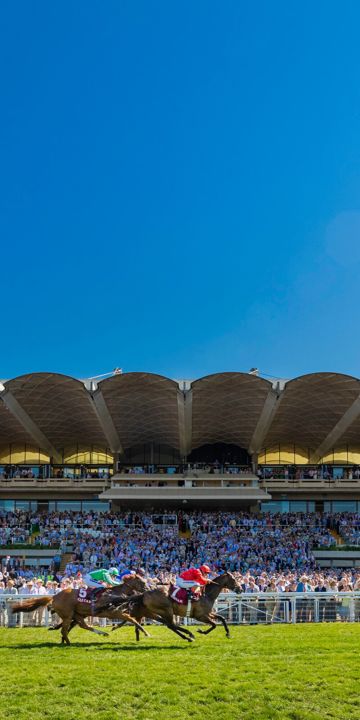
Whoa Simon! A horse so determined and headstrong, he not only won the 1883 Goodwood Cup by 20 lengths, but couldn't be stopped and carried on running over the top of Trundle hill
-
Season Opener
-
Qatar Goodwood Festival
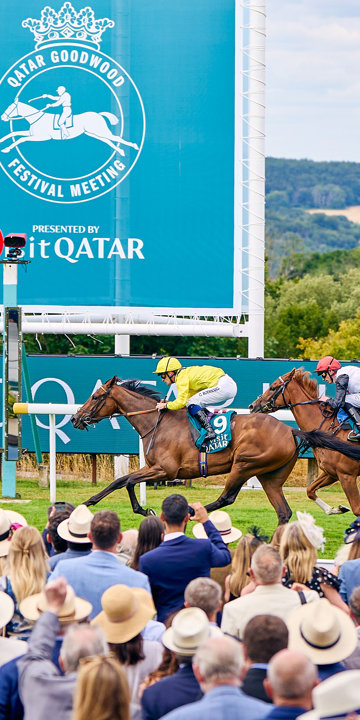

Wearing Linen at the Races
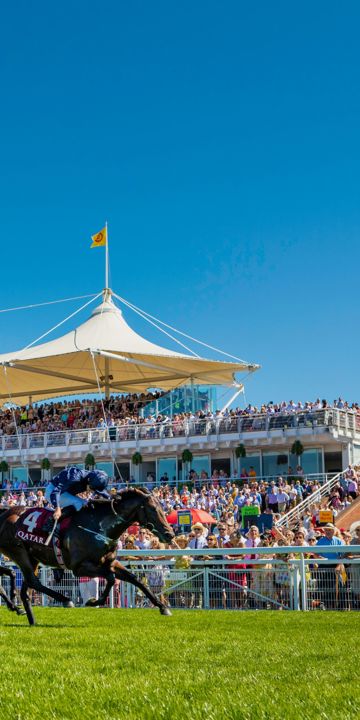
Ever since King Edward VII relaxed the dress code in the 19th century, we have enjoyed a carefree holiday feel here, unlike any other racecourse. -
Three Friday Nights
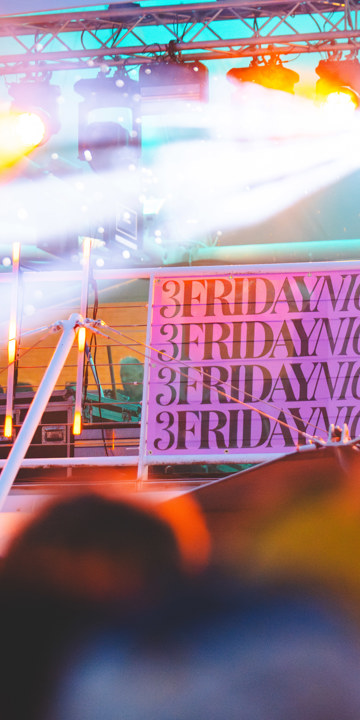
Racing Colours
The red & yellow of the Racecourse can be traced back hundreds of years, even captured in our stunning Stubbs paintings in the Goodwood Collection
-
Hospitality
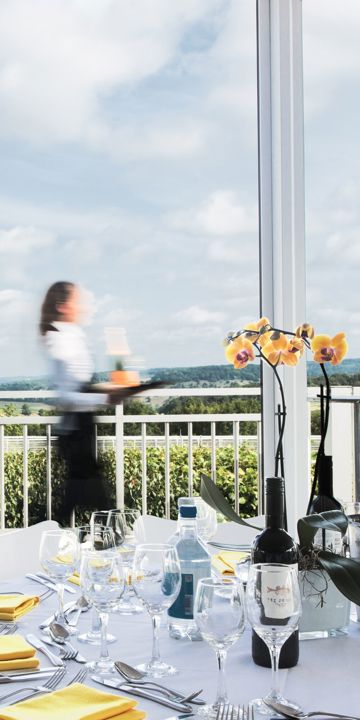
Why does everyone wear hats?
One Summer, King Edward VII turned his back on the traditional morning suit, and donned a linen suit and Panama hat. Thus the Glorious Goodwood trend was born.
-
Partners
-
Plan Your Day
-
Enclosures
-
Event Map
-
Going Report
-
Getting Here
-
Betting at Goodwood
-
Dress Code
-
Accessibility
-
Food & Drink
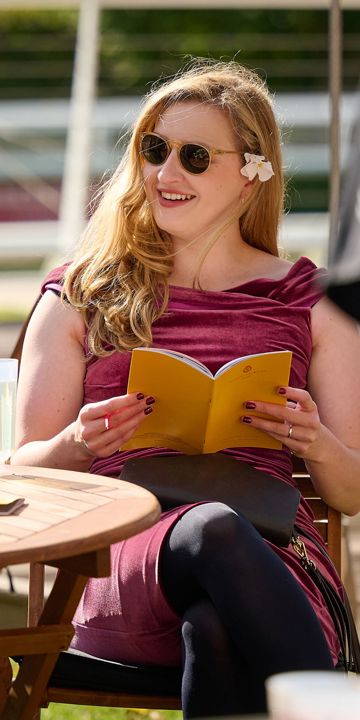

Why walk when you can drive
The first ever horsebox was used from Goodwood to Doncaster for the 1836 St. Leger. Elis arrived fresh and easily won his owner a £12k bet.
-
Enclosures
-
Latest News
-
Owners & Trainers
-
Goodwood Horseracing Club
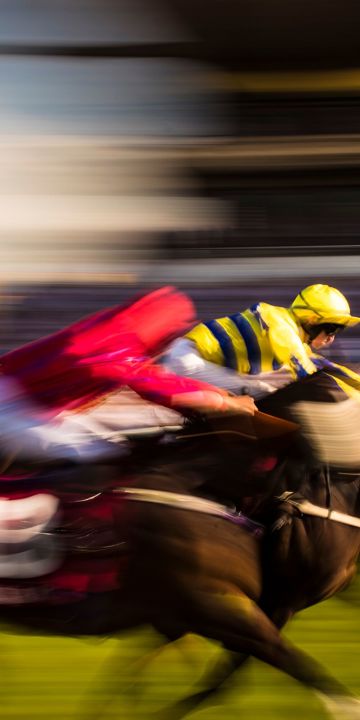
Why walk when you can drive
The first ever horsebox was used from Goodwood to Doncaster for the 1836 St. Leger. Elis arrived fresh and easily won his owner a £12k bet.
-
FAQs
-
Accessibility
-
Tickets & Packages
-
Experiences
-
Driving
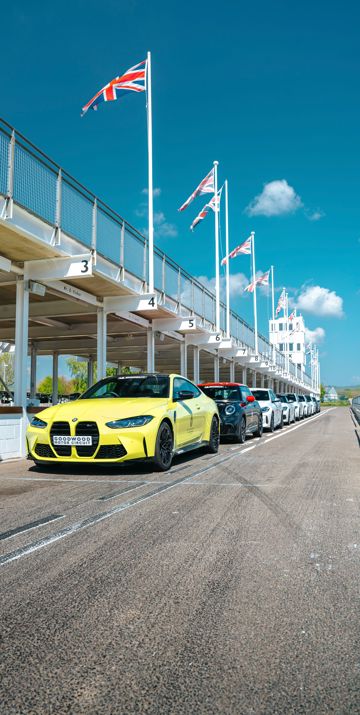

The Hillclimb
The 1.16-mile hillclimb has been the centre of the action since the first festival in 1993. -
Flying
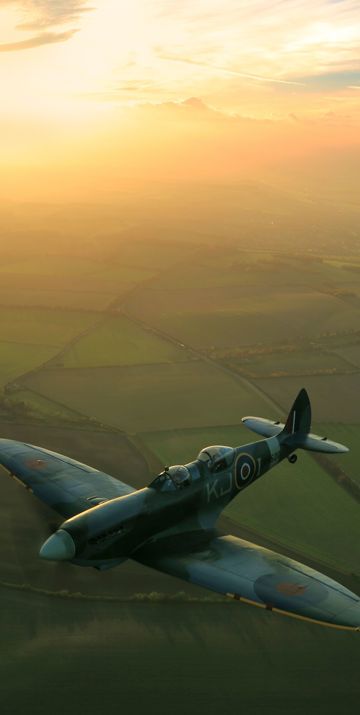

Flying Elephant
The first thing ever dropped at Goodwood was a cuddly elephant which landed in 1932 just as the 9th Duke of Richmonds passion for flying was taking off.
-
Golf
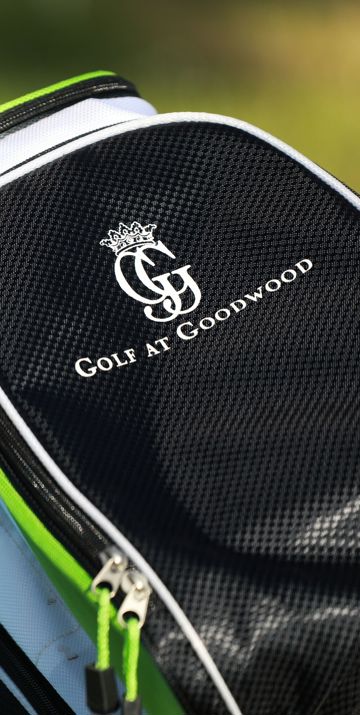

A sporting Estate
Goodwood has two 18-hole championship courses, a modern clubhouse and an impressive Academy. -
Shooting
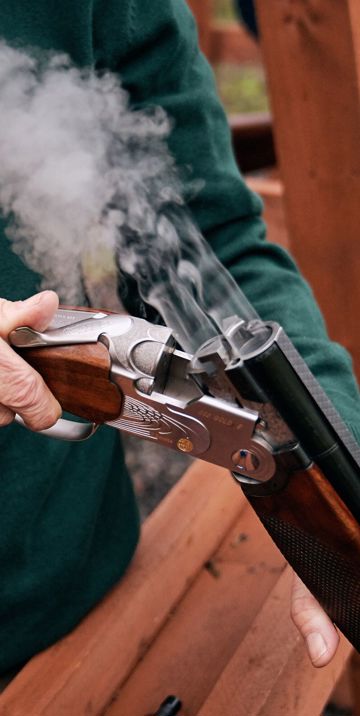

During the war...
The Motor Circuit was known as RAF Westhampnett, active from 1940 to 1946 as a Battle of Britain station. -
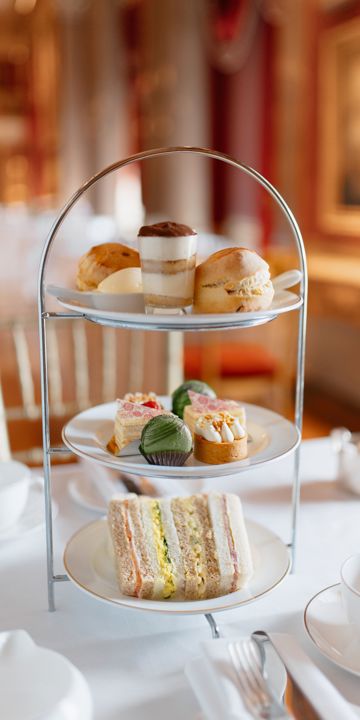
Afternoon Tea

Levin Down Gin
Our gin uses wild-grown botanicals sourced from the estate, and is distilled with mineral water naturally chalk-filtered through the South Downs.
-
Corporate Wellbeing
Goodwood's first Health Summit...
...took place in 2023 with industry experts discussing nutrition costs and food systems for a healthier future. -
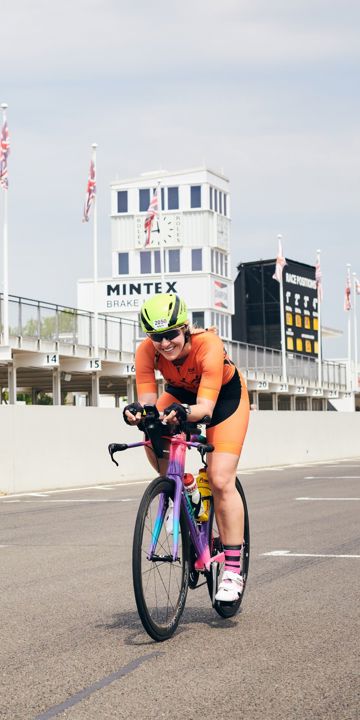
Cycling

Ace Pilot
Ray Hanna famously flew straight down Goodwood’s pit straight below the height of the grandstands at the first Revival in 1998
-
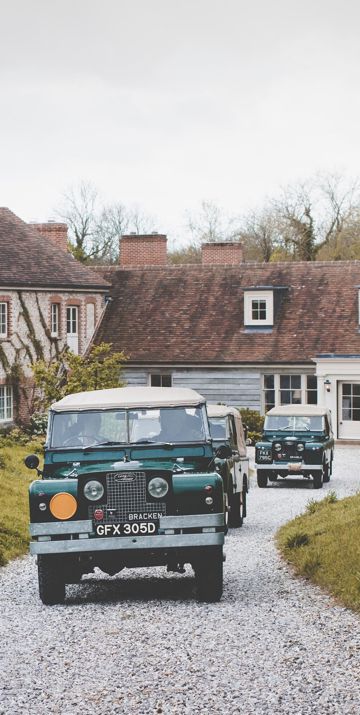
Corporate Experiences
Where else can you...
...plan strategy in an ancient woodland, enjoy award-winning dining then drive around a racetrack?
-
Spa Treatments
-
Driving
-
Golf
-
Golf Courses
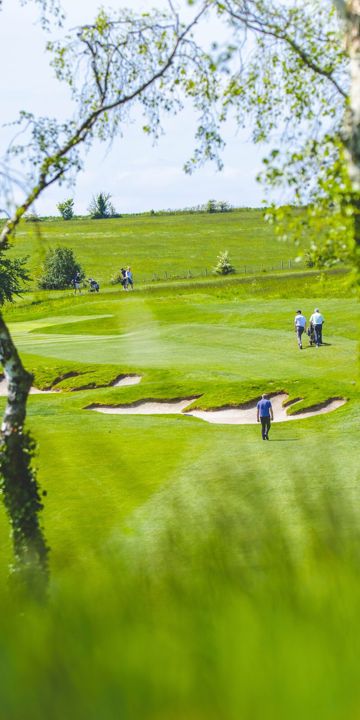
A sporting Estate
Goodwood has two 18-hole championship courses, a modern clubhouse and an impressive Academy. -
Golf Membership
-
Credit Membership
-
Application Form
-
Intermediate Membership
-
Junior Membership
-
Corporate Membership
-
Copse Membership


Over 100 years of Golf
The first ever round of golf played at Goodwood was in 1914 when the 6th Duke of Richmond opened the course on the Downs above Goodwood House.
-
Credit Membership
-
The Academy
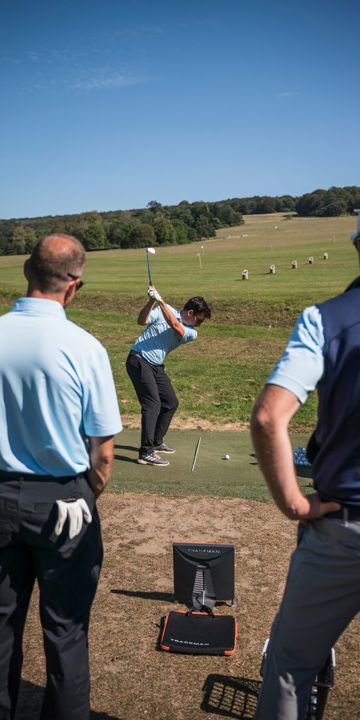
A sporting Estate
Goodwood has two 18-hole championship courses, a modern clubhouse and an impressive Academy. -
Golf Experiences

Over 100 years of Golf
The first ever round of golf played at Goodwood was in 1914 when the 6th Duke of Richmond opened the course on the Downs above Goodwood House.
-
Golf Courses
-
Flying
-
Flying School
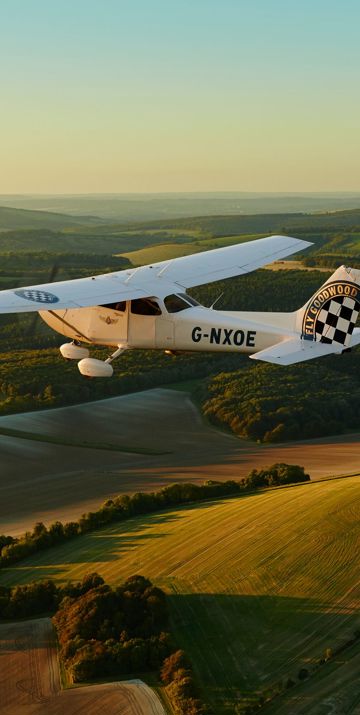
Flying Elephant
The first thing ever dropped at Goodwood was a cuddly elephant which landed in 1932 just as the 9th Duke of Richmonds passion for flying was taking off.
-
Aero Club Membership
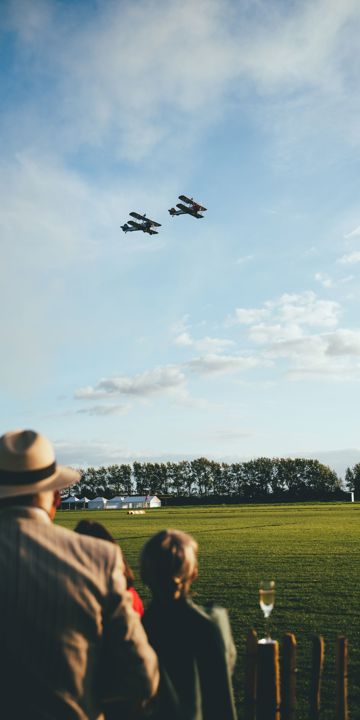
Ace Pilot
Ray Hanna famously flew straight down Goodwood’s pit straight below the height of the grandstands at the first Revival in 1998
-
Flying Experiences
-
Pilot Information
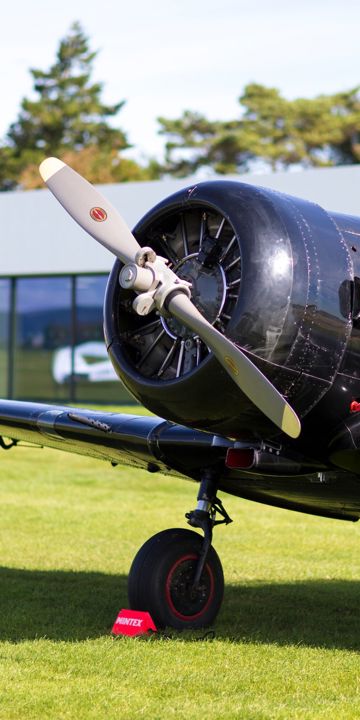

Group Captain Sir Douglas Bader
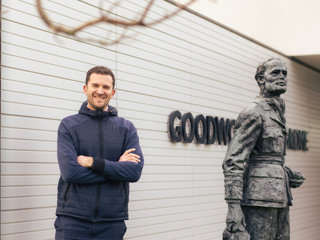
The famous fighter ace, who flew his last sortie from Goodwood Aerodrome, formerly RAF Westhampnett has a statue in his honor within the airfield.
-
Flying School
-
Meetings
-
Venue Hire
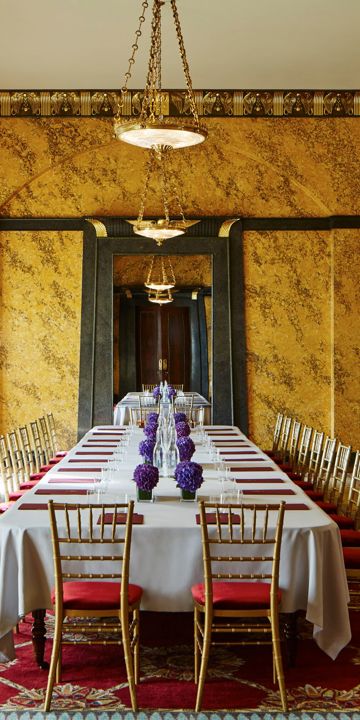
Where else can you...
...plan strategy in an ancient woodland, enjoy award-winning dining then drive around a racetrack?
-
Plan Your Meeting
-
Parties
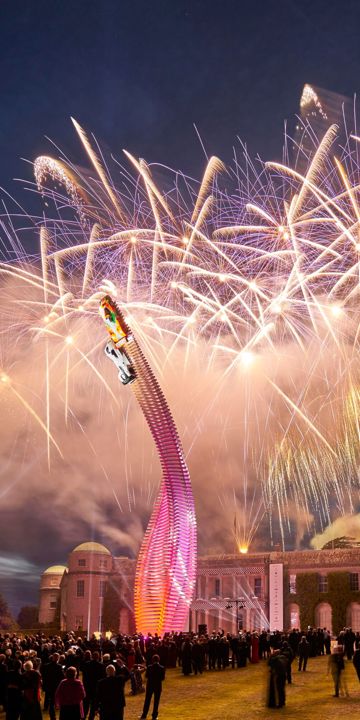
Where else can you...
...plan strategy in an ancient woodland, enjoy award-winning dining then drive around a racetrack?
-
Hospitality

-
Corporate Experiences
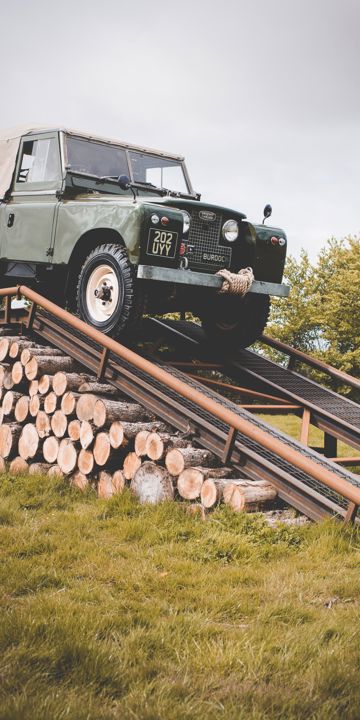
Where else can you...
...plan strategy in an ancient woodland, enjoy award-winning dining then drive around a racetrack?
-
Christmas Parties
-
Film Locations
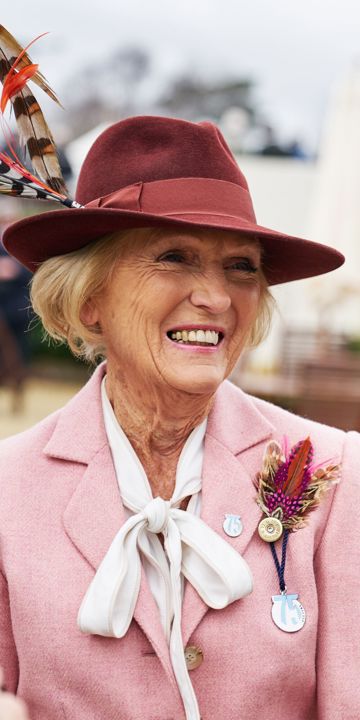
Where else can you...
...plan strategy in an ancient woodland, enjoy award-winning dining then drive around a racetrack?
-
Venue Hire
-
Weddings
-
Goodwood House
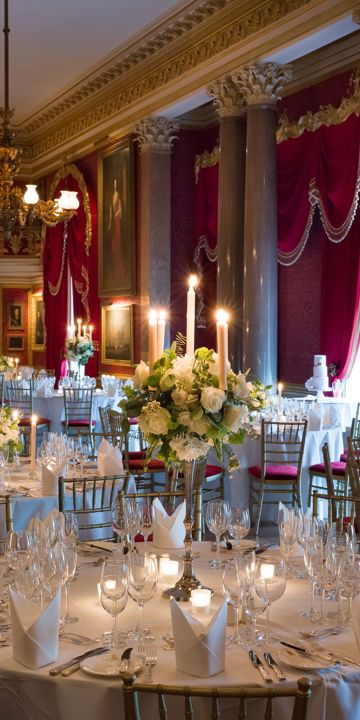

Forget Downton Abbey
David Edney, head Butler dons a morning suit "and a smile" every day and has been woking at Goodwood for over 25 years!
-
The Kennels

Fashionable foxhounds
The 1st Duke of Richmond bought Goodwood in 1697 as a place to stay to go foxhunting with the fashionable Charlton Hunt. -
Parties
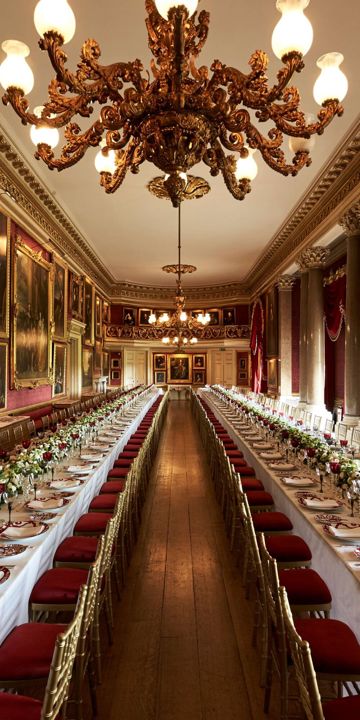
Where else can you...
...plan strategy in an ancient woodland, enjoy award-winning dining then drive around a racetrack?
-
Goodwood House
-
Memberships
-
Goodwood Road Racing Club
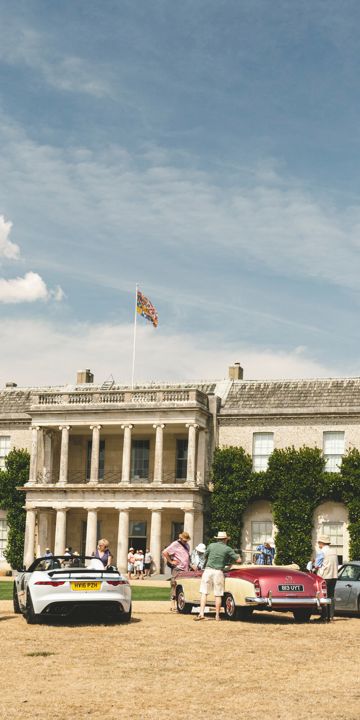
When was the GRRC founded?
Established in 1998 by the Duke of Richmond, the Goodwood Road Racing Club offers exclusive benefits across the estate year-round -
Goodwood Horseracing Club
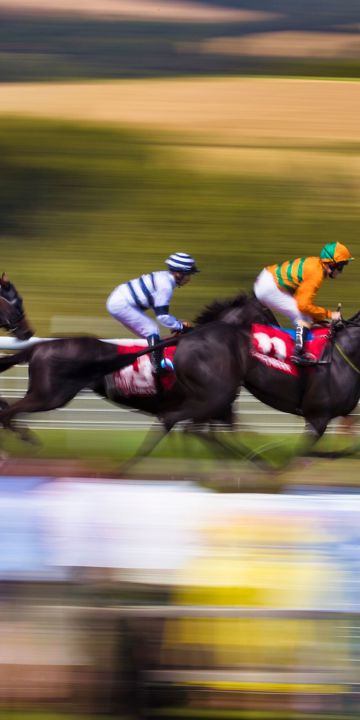
Why does everyone wear hats?
One Summer, King Edward VII turned his back on the traditional morning suit, and donned a linen suit and Panama hat. Thus the Glorious Goodwood trend was born.
-
Golf At Goodwood
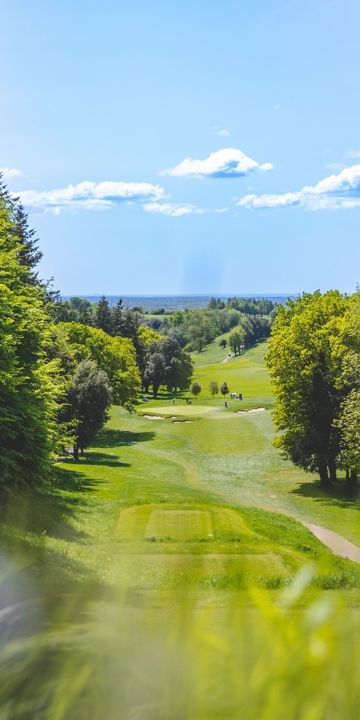
A sporting Estate
Goodwood has two 18-hole championship courses, a modern clubhouse and an impressive Academy. -
Goodwood Aero Club
Group Captain Sir Douglas Bader
The famous fighter ace, who flew his last sortie from Goodwood Aerodrome, formerly RAF Westhampnett has a statue in his honor within the airfield.
-
Goodwood Health Club
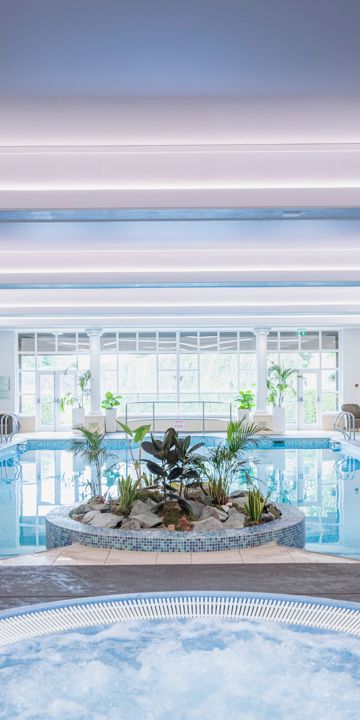
Goodwood's first Health Summit...
...took place in 2023 with industry experts discussing nutrition costs and food systems for a healthier future. -
The Kennels


How old is The Kennels?
Built in 1787 by celebrated architect James Wyatt to house the third Duke of Richmond’s prized fox hounds, The Kennels was known as one of the most luxurious dog houses in the world!
-
Sporting Membership


Grogger
Easy boy! The charismatic Farnham Flyer loved to celebrate every win with a pint of beer. His Boxer dog, Grogger, did too and had a tendancy to steal sips straight from the glass.
-
Goodwood Racehorse Owners Group
-
Goodwood Art Foundation
-
Goodwood Road Racing Club
- Classic Car Insurance
- Health & Wellbeing
- Buy Merchandise
-
Our Estate
-
What's on
-
Estate Map
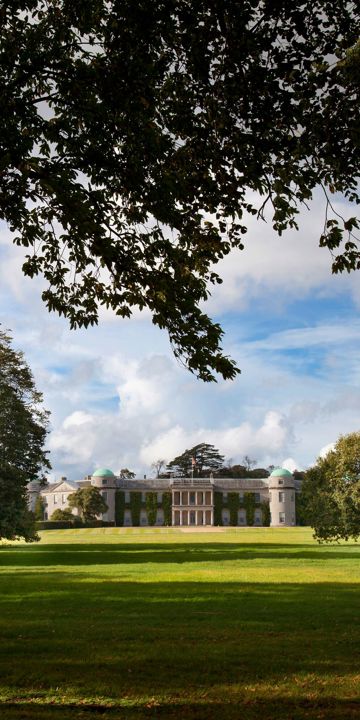
How old is The Kennels?
Built in 1787 by celebrated architect James Wyatt to house the third Duke of Richmond’s prized fox hounds, The Kennels was known as one of the most luxurious dog houses in the world!
-
Stories from the Estate
Group Captain Sir Douglas Bader
The famous fighter ace, who flew his last sortie from Goodwood Aerodrome, formerly RAF Westhampnett has a statue in his honor within the airfield.
-
Goodwood Education Trust
Carne's Seat
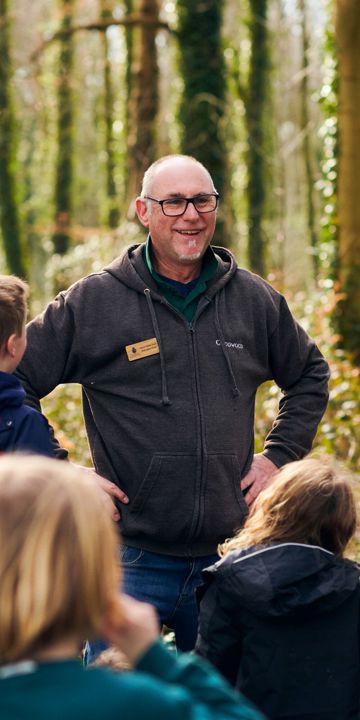
Just beyond Goodwood House along the Hillclimb, the 2nd Dukes banqueting house was also known as "one of the finest rooms in England" (George Vertue 1747).
-
Charities
How old is The Kennels?
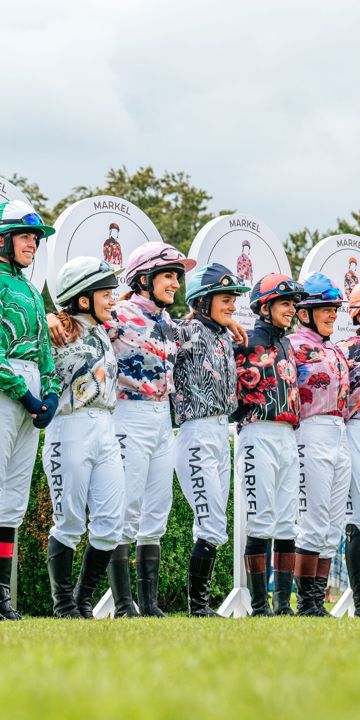
Built in 1787 by celebrated architect James Wyatt to house the third Duke of Richmond’s prized fox hounds, The Kennels was known as one of the most luxurious dog houses in the world!
-
Sustainability
Flying Elephant
The first thing ever dropped at Goodwood was a cuddly elephant which landed in 1932 just as the 9th Duke of Richmonds passion for flying was taking off.
-
Diversity, Equity & inclusion
-
Property
Flying Elephant
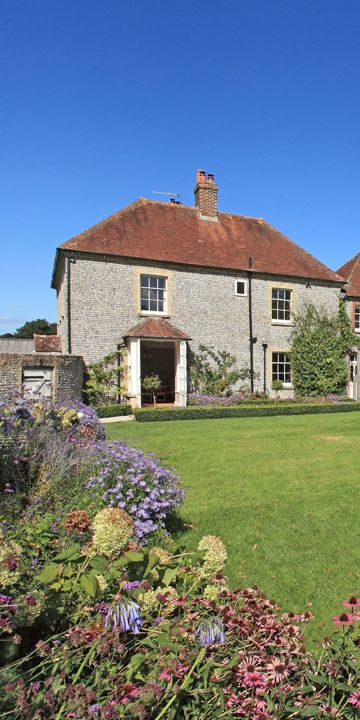
The first thing ever dropped at Goodwood was a cuddly elephant which landed in 1932 just as the 9th Duke of Richmonds passion for flying was taking off.
-
Walking Guide

Carne's Seat
Just beyond Goodwood House along the Hillclimb, the 2nd Dukes banqueting house was also known as "one of the finest rooms in England" (George Vertue 1747).
-
Dog Walking Field
-
Careers
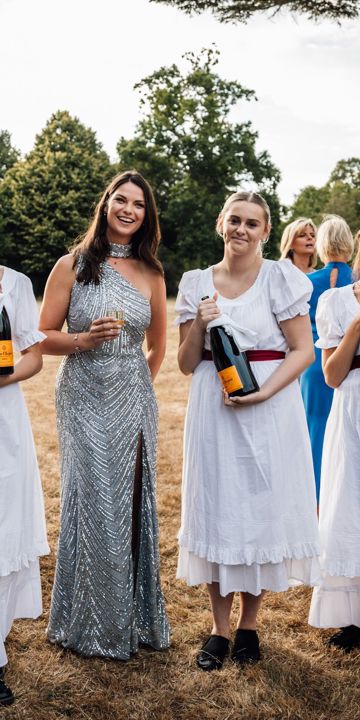
Levin Down Gin
Our gin uses wild-grown botanicals sourced from the estate, and is distilled with mineral water naturally chalk-filtered through the South Downs.
-
Goodwood Art Foundation
-
Farm Shop
-
What's on
- Christmas


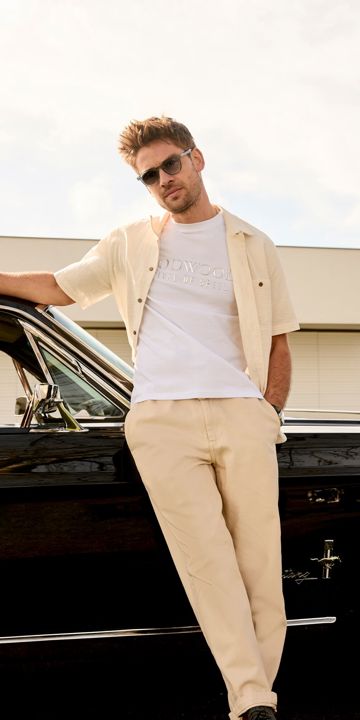
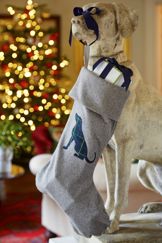
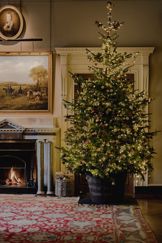
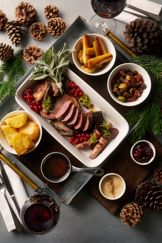
Christmas at Goodwood
Meet the GAC Member - Mark Hillier
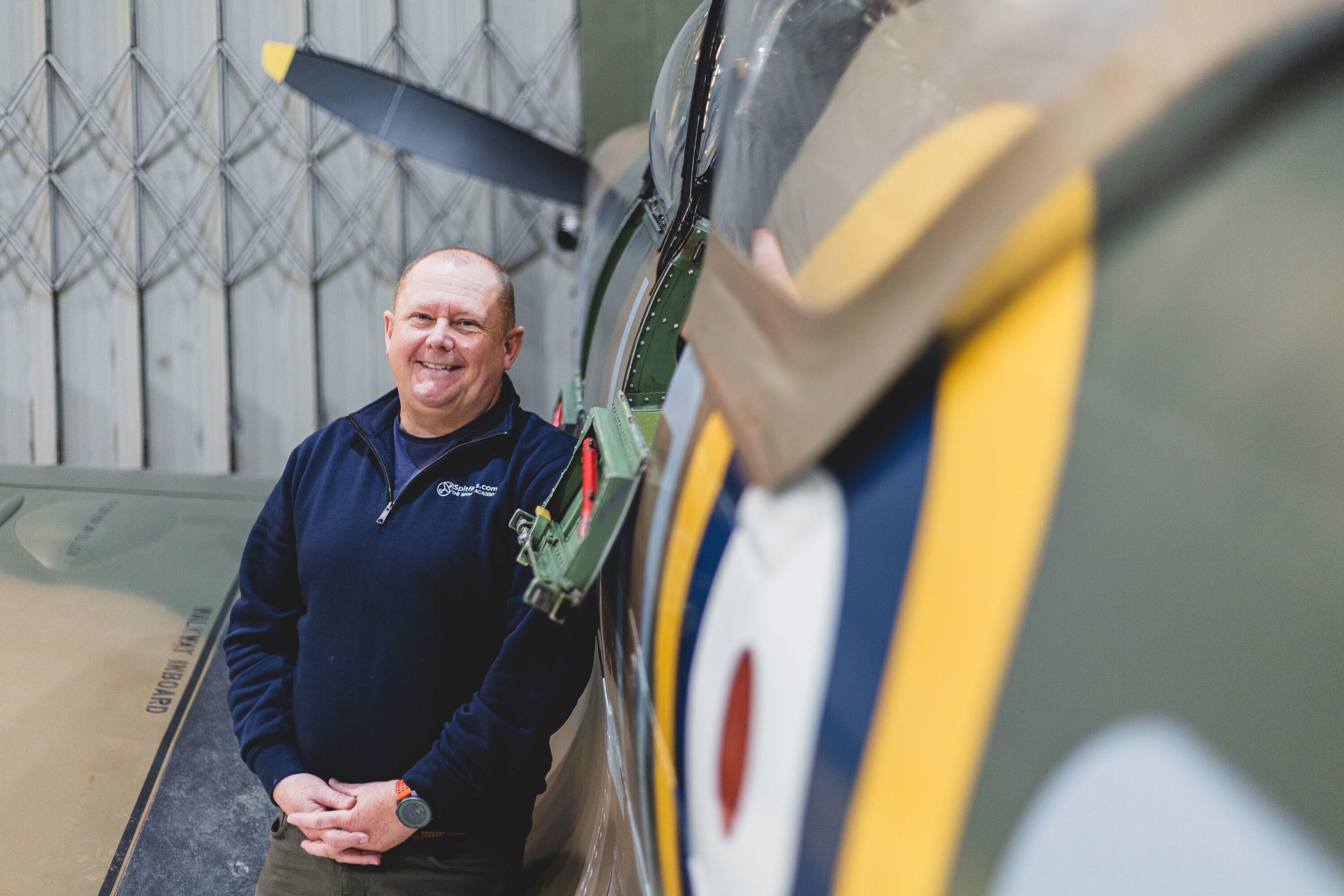
Head of Operations at The Spitfire Academy based at Goodwood, Mark shares his long-held passion for flying and aviation history with us.
flying school
aerodrome
Tell us a bit about you?
I have always been mad keen on aviation since I was first allowed to help my dad to build his 1:24 scale P51 Mustang, at the age of 5. My Sunday School teacher eventually asked my parents that I refrain from drawing Lancaster bombers instead of religious events – apparently, I was not entering into the spirit of the class! My school art report says, “can draw very well as long as it has wings and is camouflaged”!
I wanted to be an RAF pilot but after several attempts at selection at RAF Biggin Hill, I decided to have a break and get a job after A levels. I did a gliding scholarship with the ATC and became a Gliding Instructor whilst training to become a Chartered Surveyor. After a few years, I re-applied for the RAF as aircrew and was accepted as a Flight Engineer. Sadly, before I could get to flying training, I suffered a knee injury and was forced to leave. Back to construction: I spent the next 30 years working in construction as a Building Regulation and Fire Safety Specialist and spent much of my time travelling round the UK, training surveyors. It wasn’t really what I wanted to do, however, and aviation was always calling me! Fortunately, 3 years ago, I was asked if I wanted to become the Head of Operations for Spitfires.com which I readily accepted! My first full time job in aviation at the age of 49! Working with Spitfires and getting to share my passion for history, aviation and warbirds is my dream job.
Have you always been interested in aviation?
At 7, I joined my local aviation museum and had access to aircraft cockpits, gun turrets, engines, medals, and logbooks as well as WW2 RAF veterans! I was very lucky to be able to spend my weekends immersed in history and I loved every minute of it. I joined the ATC aged 13 and flew in Chipmunks and anything else I could, from Chinooks to VC10s. My ATC Squadron had an Ex-Hunter pilot and a WW2 Mosquito navigator who had won the Distinguished Flying Cross, both flying privately at Headcorn, so I had plenty of air experience flights with them in a Cessna 172. I was smitten with flying and was desperate to get a job in aviation. Sadly, that didn’t work out, but I became a gliding instructor on winch-launched gliders and then motor gliders, flying at RAF Halton as an RAF VR officer, for 14 years of fun teaching 16-year-old cadets. I joined the RAF flying club and learned to fly the club’s Chipmunk, gaining my PPL. I ventured into aircraft ownership with a share in a Victa Air tourer, but I had developed a love of tailwheel flying so I sold my share. Since then, I have continued to fly, as and when finances allowed. I have also been writing books, doing TV programmes on aviation history, advising museums and collectors on aviation memorabilia, and playing Spitfires! I have been very lucky.

What has your involvement at Goodwood been over the years?
After flying at RAF Halton and then Dunsfold, work moved me further south, and I had my first flight at Goodwood with Graham Turner in a Robin 2120 at Vectair back in 2004. I joined the Goodwood Aeroclub 20 years ago and flew the Super Decathlon and had the opportunity to check out the Goodwood Harvard. I was lucky to be involved in a MA5 Charger home-built, Bi-plane group and continued my tailwheel journey. I progressed through to Super Cub, Cap 10b and then to the beautiful Stearman, whilst also completing my CRI rating with Goodwood Flying School. I have always been fascinated by the history of the Airfield and when I first came to Goodwood it seemed that not much was really known about the squadrons that flew here. Many of the books written about the airfield seemed to be very light on content, so I set out to investigate a bit more! That started a 20-year quest, leading to meeting many of the veterans who flew at RAF Westhampnett in the 1940s. Over the years I have supported the Aeroclub with history talks, tours, and information about the airfield’s history, which I continue to do whilst working for Spitfires.com. What a great Airfield we have, and I look forward to many more years of flying from this historic airfield.
Tell us about some of the books you’ve written. Do you have a favourite?...
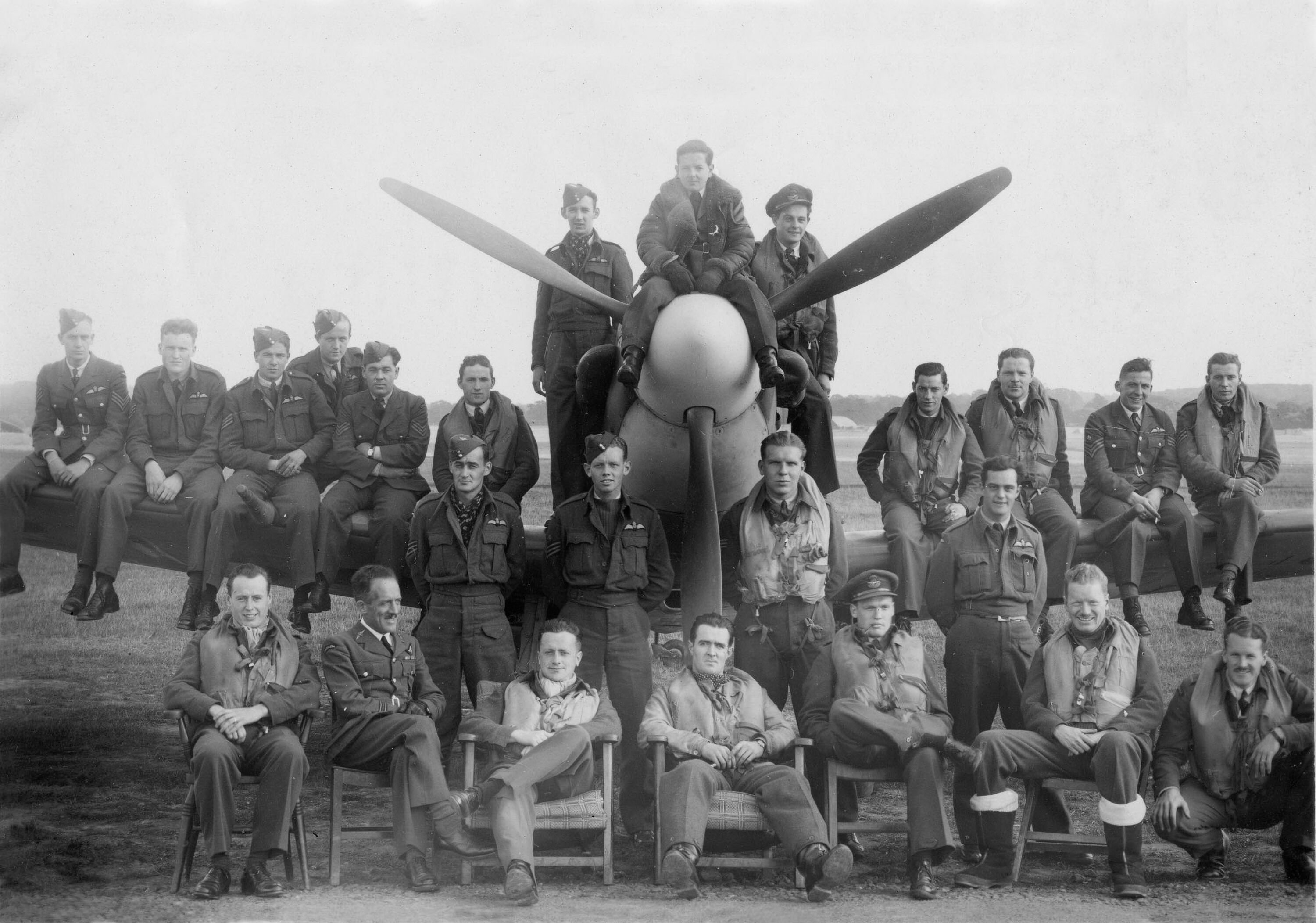
My first book was ‘RAF Westhampnett at War’ written with Dieter Sinanan and Greg Percival, who both flew at Goodwood. It was a self-published book of 1000 copies with all proceeds to the Royal Air Force Association. It was a fabulous journey of discovery about the airfield and its personalities and what a privilege it was to be able to tell their stories! This kickstarted my writing career, and I was asked to write articles for Britain at War Magazine as well as books for the publisher Pen and Sword. 15 further books followed about various topics from WW1 Royal Flying Corps pilots to the flying equipment worn by Battle of Britain pilots and anything in between. My favourite book will always be ‘A fighter command station at war’, the story of RAF Westhampnett. It is the latest edition of the airfield history and the most complete and it reflects many years of digging around for facts and photos.
What is your favourite RAF Westhampnett Fact?
Oohhh! So many! Probably that both of the RAF’s double amputee pilots of WW2 both flew operationally at Goodwood on Spitfires during WW2: not only Douglas Bader but also Colin Hodgkinson, who served here with 610 (County of Chester) Squadron.
flying school
aerodrome